
A complete kitchen accessories list covers prep, cooking, storage, and cleaning essentials.
I’ve set up home and professional kitchens for years, and I know what works. This guide turns a scattered shopping trip into a clear kitchen accessories list you can trust. We will cover essential tools, smart upgrades, and proven picks that save time, money, and space. Read on to build a kitchen that cooks well every day.
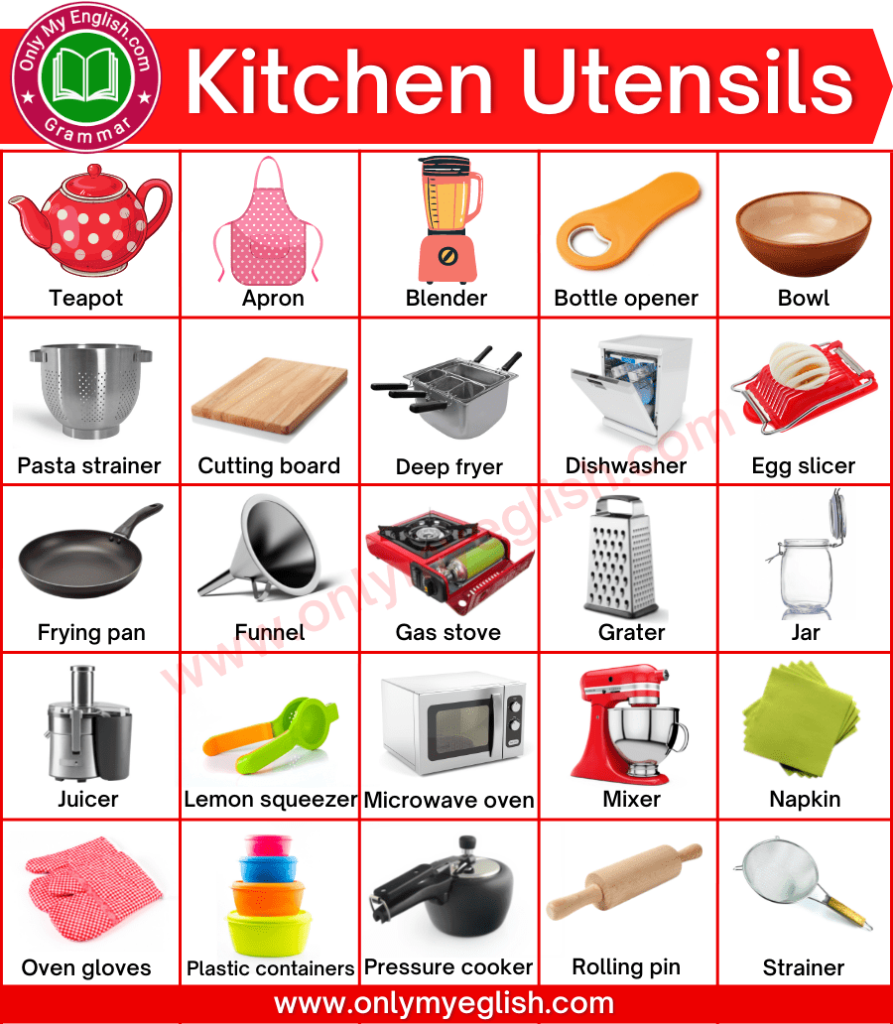
How to Build a Practical Kitchen Accessories List
A good kitchen starts with a plan. The right kitchen accessories list should match your space, skills, and budget. Start small, choose quality, and upgrade with purpose. Think about daily meals first, then add special tools.
Use this simple framework:
- Must-haves for prep, cooking, storage, and cleaning
- Items you reach for daily over rare gadgets
- Durable materials that last and are easy to clean
- Tools that fit your counter and cabinets
From experience, fewer great tools beat a drawer full of clutter. This kitchen accessories list keeps you focused and effective.

Essential Prep Tools
Prep tools save time and make cooking safe. They also keep cuts even and speed up cleanup. These picks anchor any kitchen accessories list.
- Chef’s knife, paring knife, and serrated knife for most cutting tasks
- Cutting boards in plastic for meat and wood or bamboo for produce and bread
- Kitchen shears for herbs, packaging, and quick trimming
- Bench scraper to move chopped food without spills
- Vegetable peeler for fast, safe peeling
- Grater or microplane for cheese, zest, garlic, and spices
Pro tip: Color-code cutting boards to prevent cross-contamination. It is a simple habit with a big food safety payoff.

Cooking Tools and Utensils
Choose heat-safe, sturdy tools that feel good in the hand. You will use these every day.
- Heat-resistant spatulas for eggs, sautéing, and baking
- Tongs with a firm grip for flipping and serving
- Wooden spoons for sauces and nonstick pans
- Ladle, slotted spoon, and spider strainer for soups and pasta
- Whisk for sauces, dressings, and batters
- Can opener and bottle opener for daily use
Look for utensils that are dishwasher-safe and made from silicone or wood. This kitchen accessories list favors tools that protect cookware and last.

Cookware and Bakeware
Balanced sets work better than giant bundles. Pick sizes that fit your burners and oven.
- Skillet or frying pan in 10 to 12 inches
- Sauté pan with lid for one-pan meals
- Saucepan in 2 to 3 quarts with lid for grains and sauces
- Stockpot in 6 to 8 quarts for soups and pasta
- Sheet pans and cooling rack for roasting and baking
- Casserole dish and loaf pan for bakes and breads
- Dutch oven for slow braises and no-knead bread
Materials that make sense:
- Stainless steel for even heating and searing
- Cast iron for heat retention and durability
- Nonstick for eggs and delicate foods
- Enameled cast iron for easy cleanup and color
A smart kitchen accessories list balances materials. Use nonstick sparingly, and protect it with silicone tools.

Cutting and Knife Care
Good knives are safe knives. Keep them sharp and store them well.
- Honing steel for daily edge alignment
- Whetstone or pull-through sharpener for regular sharpening
- Knife guard or magnetic strip for safe storage
- Cut-resistant glove for beginners or high-volume prep
If you are new, start with one quality chef’s knife. Add a paring and serrated knife later. A careful knife plan is the core of any kitchen accessories list.

Measuring and Mixing
Precision keeps flavors balanced and baking consistent. Reliable measuring tools also reduce waste.
- Dry measuring cups and liquid measuring cup with clear markings
- Measuring spoons that fit into spice jars
- Digital kitchen scale for baking and portion control
- Mixing bowls with non-slip bases and nesting sizes
A scale makes recipes repeatable across brands and countries. It is a small upgrade with a big payoff in your kitchen accessories list.

Storage and Organization
Good storage keeps food safe and your counters clear. It also cuts food waste.
- Airtight containers in glass or BPA-free plastic
- Mason jars for pantry goods, pickles, and dressings
- Zip-top or reusable silicone bags for freezer and snacks
- Spice jars with labels and a simple rack or drawer insert
- Foil, parchment paper, and silicone mats for baking and storage
Label and date leftovers. This one habit saves money and time, and it strengthens any kitchen accessories list.

Small Appliances That Earn Their Keep
Pick appliances that do more than one job. Space is valuable.
- Blender for smoothies, soups, and sauces
- Food processor for chopping, shredding, and doughs
- Hand mixer for batters and whipped cream
- Toaster or toaster oven for fast heating
- Electric kettle for tea, coffee, and instant meals
- Rice cooker or multi-cooker for hands-off grains and stews
Only add a slow cooker, stand mixer, or air fryer if you will use it weekly. A lean kitchen accessories list focuses on frequent tasks.

Cleaning and Maintenance
Clean tools last longer and make your kitchen safer.
- Dish soap, scrub brushes, and non-scratch sponges
- Microfiber cloths for streak-free wiping
- Food-safe sanitizer spray for surfaces
- Trash bags and compost bin for waste management
- Drying rack and absorbent dish towels
Routine care matters. Wipe spills fast, empty the sink each night, and sharpen knives on schedule. A tidy system supports any kitchen accessories list.
Specialty Accessories for Different Diets and Cuisines
Your kitchen accessories list should match how you cook. Add items that unlock favorite dishes.
For baking lovers:
- Rolling pin, pastry mat, and bench scraper
- Piping bags and tips for decorating
- Oven thermometer for accurate bakes
For global flavors:
- Mortar and pestle for spice blends and pastes
- Wok and spider for high-heat stir-fries
- Tortilla press or pasta roller for fresh staples
For healthy cooking:
- Steamer basket for veggies and fish
- Salad spinner for crisp greens
- Spiralizer for veggie noodles
Choose tools you will use at least twice a month. That is a fair benchmark for this part of your kitchen accessories list.
Smart Buying Tips and Budgeting
You do not need pricey brands for great results. Focus on build, warranty, and comfort.
- Hold tools in your hand if possible to check balance and grip
- Read capacity, heat limits, and care instructions before buying
- Choose pieces with replaceable parts when you can
- Buy in stages: start with essentials, then fill gaps
Set a budget per category. Track what you actually use for a month. Then refine your kitchen accessories list and skip the rest.
Safety, Materials, and Sustainability
Safe materials and green habits matter for your health and the planet.
- Favor stainless steel, cast iron, glass, and silicone for food contact
- Replace worn nonstick pans with chips or flakes
- Ventilate when cooking at high heat
- Choose reusable wraps, beeswax sheets, and silicone bags
- Donate or recycle tools you no longer use
Industry guidance supports safe temps, clean boards, and proper storage. These steps raise both trust and value in your kitchen accessories list.
Sample Kitchen Accessories List by Skill Level
Use these tiered picks to guide a first buy or a refresh. Adjust for space and diet.
Beginner basics:
- Chef’s knife, paring knife, cutting board
- Skillet, saucepan with lid, sheet pan
- Spatula, tongs, wooden spoon, ladle
- Measuring cups and spoons, can opener
- Mixing bowls, containers, dish towels
Intermediate upgrades:
- Dutch oven, sauté pan, roasting pan
- Microplane, bench scraper, kitchen shears
- Digital scale, instant-read thermometer
- Blender or food processor
- Spice organizer and more containers
Advanced additions:
- Whetstone kit, magnetic knife strip
- Stand mixer, pasta roller, or dehydrator
- Wok, mortar and pestle, immersion blender
- Oven thermometer, proofing basket
- Specialty bakeware and precision tools
This staged approach keeps your kitchen accessories list clean and efficient as your skills grow.
Personal Lessons Learned From Setting Up Kitchens
After outfitting small apartments and busy test kitchens, a few rules stick. Buy less, but better. Replace what breaks with a stronger version. Store tools where you use them to cut steps.
I once swapped a drawer of cheap spatulas for two silicone ones. Cleanup got faster, and pans lasted longer. Small, smart choices make a kitchen accessories list work hard, day after day.
Frequently Asked Questions of kitchen accessories list
What should be on a basic kitchen accessories list?
Start with three knives, two cutting boards, a skillet, a saucepan, and a sheet pan. Add tongs, a spatula, a wooden spoon, measuring tools, and storage containers.
How do I choose the best cookware material?
Stainless steel is versatile and durable. Cast iron holds heat well, and nonstick is ideal for eggs and delicate items.
How many knives do I really need?
Three cover most tasks: a chef’s knife, a paring knife, and a serrated knife. Add more only if you have a clear need.
Which small appliances are worth it?
A blender or food processor gives big value for daily cooking. Add others like a stand mixer or air fryer only if you use them weekly.
How can I organize my kitchen accessories list for a small space?
Pick multi-use tools and nestable items. Use wall racks, cabinet doors, and drawer inserts to save space.
Conclusion
A clear, focused kitchen accessories list turns cooking into a smooth, daily habit. Start with essentials, buy quality, and add tools that match what you cook most. Keep safety, storage, and simple upkeep at the core.
Choose one section above and act on it today, even if it is just sharpening a knife or labeling containers. If this guide helped, subscribe for more practical kitchen advice or share your own tool must-haves in the comments.