
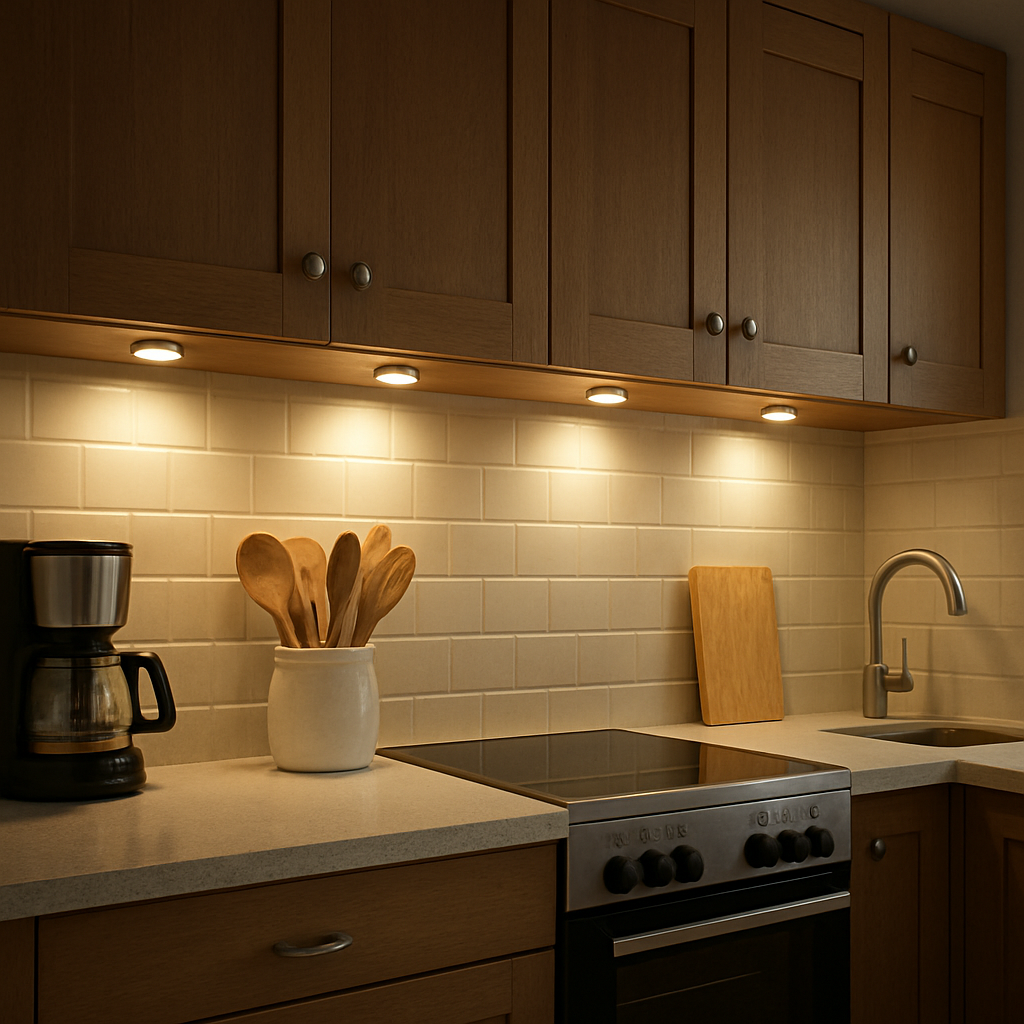
Kitchen Cabinet Lights: A Step-by-Step Guide to DIY Installation
Transform your kitchen with the right lighting. Kitchen cabinet lights can enhance both style and function.
Installing them yourself is a rewarding project. It saves money and adds a personal touch to your space.
This guide will walk you through the process. You’ll learn how to choose and install the best lights.
From planning to installation, we’ve got you covered. Get ready to brighten up your kitchen with ease.
Let’s dive into the world of kitchen cabinet lighting and make your kitchen shine.
Importance of Kitchen Cabinet Lighting
Kitchen cabinet lighting is vital for effective food preparation. It provides focused illumination where you need it most.
Beyond functionality, it elevates kitchen aesthetics. The right lights highlight design elements, creating a welcoming ambiance.
Key benefits include:
- Enhanced task lighting
- Improved kitchen aesthetics
- Increased home value
Consider installing these lights to transform your space.
Benefits of DIY Installation
DIY installation of kitchen cabinet lights can be rewarding. It saves money and offers a sense of accomplishment.
Moreover, you have complete control over the process, tailoring it to fit your preferences.
Advantages include:
- Cost savings
- Personal customization
- Skill enhancement
Opting for a DIY approach adds a personal touch to your kitchen.
The Role of Lighting in Kitchen Design
Lighting plays a vital role in kitchen design. It enhances both functionality and ambiance.
Good lighting highlights key features and creates a welcoming environment.
Key lighting roles include:
- Accentuating design elements
- Providing task-specific illumination
- Enhancing safety and aesthetics
Selecting the right lighting transforms a kitchen into a more vibrant and functional space.
Overview of Under Cabinet Lighting
Under cabinet lighting offers practical and aesthetic benefits. It brightly illuminates countertops, improving the ease of cooking tasks.
Key benefits include:
- Enhanced task lighting
- Reduced shadows
- Improved kitchen aesthetics
This lighting type can dramatically transform both functionality and the appeal of any kitchen space.
Understanding Kitchen Cabinet Lights
Kitchen cabinet lights are essential for effective illumination. They enhance both functionality and style in your cooking space.
Key features include:
- Versatile design options
- Energy efficiency
- Improved visibility
Types of Kitchen Cabinet Lights
Selecting the right kitchen cabinet lights depends on your preferences and needs. Several types offer unique features and benefits.
Popular options include:
- Puck lights for focused lighting
- Light bars for even illumination
- LED strip lights for flexibility
Under Cabinet Lights for Kitchen
Under cabinet lights for kitchens offer practical solutions. They illuminate countertops, making cooking easier and more enjoyable.
Considerations include:
- Light intensity
- Ease of installation
- Compatibility with kitchen decor
Kitchen Under Cabinet Lighting Options
Explore kitchen under cabinet lighting options to find the best fit. Consider the lighting’s purpose and style in your kitchen.
Options feature:
- Hardwired lights for permanent solutions
- Plug-in models for easy setup
- Battery-operated designs
Kitchen Cabinet LED Strip Lights
Kitchen cabinet LED strip lights are flexible and energy-efficient. They are perfect for adding both task lighting and ambiance.
Advantages include:
- Customizable lengths
- Simple installation
- Low energy consumption
Planning Your DIY Project
Begin your DIY project by planning thoroughly. Evaluate your kitchen lighting needs and gather essential tools for installation.
Key planning steps:
- Identify areas needing lighting
- Choose appropriate fixtures
- Gather necessary tools
Assessing Your Kitchen Lighting Needs
Understanding your kitchen lighting needs is crucial. Assessing the space helps determine the best lighting solutions.
Start by evaluating the lighting’s role. Is it for task lighting, ambiance, or both? Identify kitchen areas where more light is needed.
Consider:
- Countertop areas for task lighting
- Shelves needing accent lighting
- Overall kitchen brightness
Choosing the Right Fixtures
Selecting the right fixtures ensures effective lighting. Match fixtures to your specific needs and kitchen style.
Factors to consider:
- Fixture type
- Style consistency
- Energy efficiency
Measuring Space for Installation
Accurate measurements are vital for a smooth installation. Measure the available space carefully before purchasing lights.
Considerations include:
- Cabinet length and height
- Available clearance
- Fixture size compatibility
Types of Under Cabinet Kitchen Lighting
Under cabinet lighting comes in various types, each serving different purposes. Consider your kitchen’s layout and functionality when choosing.
Popular options include:
- LED strip lights
- Puck lights
- Bar lights
Kitchen Cabinet LED Strip Lights
LED strip lights are versatile and energy-efficient. They provide even lighting without generating heat, making them ideal for kitchens.
Advantages of LED strips:
- Easy installation
- Long lifespan
- Flexible designs
Smart Kitchen Lighting Solutions
Smart lighting offers customizable, remote-controlled options. Enhance convenience with technology by integrating lighting into your smart home system.
Benefits of smart solutions:
- Remote control access
- Customizable settings
- Energy-saving features
Smart lighting also allows voice control, adding convenience and ease of use.
Comparing Different Lighting Fixtures
Understanding differences in fixtures helps make informed decisions. Compare based on installation ease, function, and cost to find the best fit.
Key comparison points:
- Installation complexity
- Cost-effectiveness
- Functional attributes
Consider how each fixture complements your kitchen’s style and meets your practical needs.
Installation Process
The installation process for kitchen cabinet lights can be straightforward with proper preparation. Follow steps systematically to achieve successful results.
Key steps include:
- Gathering tools and materials
- Preparing the installation area
- Following installation instructions
Tools and Materials Needed
Before starting, ensure you have all necessary tools and materials. This readiness helps streamline the process.
Essential items include:
- Drill and screwdriver
- Measuring tape
- Wire strippers
These tools are fundamental for almost any lighting setup.
Selecting Smart Kitchen Lighting Systems
Choosing smart kitchen lighting requires thoughtful consideration. Evaluate compatibility with existing systems and functionality.
Key selection criteria:
- System integration ability
- User-friendly features
- Cost
A well-chosen system offers enhanced control and efficiency.
Preparing Your Kitchen
Prepare your workspace before beginning the installation. Clear surfaces and ensure ample lighting for accuracy.
Preparation tasks:
- Clean countertop areas
- Remove obstructions
- Ensure power supply access
A tidy area promotes safety and efficiency.
Step-by-Step Instructions
Detailed instructions simplify the DIY process. Carefully follow each step to ensure proper installation and functionality.
Steps include:
- Establishing layout
- Installing fixtures
- Connecting wiring
Precision during installation leads to optimal lighting results.
Installing Under Kitchen Cabinet Lighting
Begin installing by marking positions and aligning fixtures correctly. Secure lights ensuring they illuminate desired areas.
Installation tips:
- Use a template for marking
- Secure fixtures with appropriate tools
- Test placement before mounting permanently
Verify alignment to minimize shadowing and maximize efficiency.
Positioning and Mounting Techniques
Correct positioning is vital for effective lighting. Use mounting techniques that suit your cabinet’s structure.
Mounting strategies:
- Use adhesive strips for LED lights
- Opt for screws with heavier fixtures
- Ensure even spacing for uniformity
Accurate positioning enhances both function and aesthetics.
Wiring and Power Supply Setup
Wiring setup requires careful attention to detail for safe operation. Follow electrical guidelines strictly to avoid hazards.
Wiring setup steps:
- Turn off power source
- Connect wires with connectors
- Secure connections with insulators
Safety precautions ensure your setup meets electrical standards. Test the setup before full operation to confirm functionality.
Choosing Your Under Cabinet Lighting
Selecting the right lights involves key considerations. The ideal choice enhances both functionality and style.
Consider:
- Fixture type
- Ease of installation
- Cost
Factors to Consider
When choosing kitchen cabinet lights, several factors will guide your decision. These considerations ensure you select suitable lighting that meets your needs and kitchen aesthetics.
Important factors include:
- Cost efficiency
- Installation complexity
- Aesthetic harmony with kitchen design
Brightness and Color Temperature
Brightness affects both visibility and mood. Choose lights that offer the right level of illumination for tasks and ambiance.
Key aspects:
- Sufficient lumens for work areas
- Adjustable brightness levels
- Color temperature matching kitchen tones
Energy Efficiency of LED Lights
LED lights are efficient and long-lasting. Opting for LEDs can reduce electricity consumption significantly, contributing to lower energy bills.
Benefits include:
- Lower energy use
- Longer lifespan than traditional bulbs
- Reduced heat emission
Style and Design Compatibility
Your lights should complement your kitchen’s design. This ensures a cohesive look and enhances the kitchen’s overall appeal.
Design considerations:
- Matching fixture style with kitchen decor
- Subtle designs for minimalist spaces
- Statement pieces for modern aesthetics
Step-by-Step Installation Guide
An effective installation involves organized steps. Clear guidance ensures you’re able to set up your system efficiently and without mistakes.
Installation essentials:
- Follow a step-by-step plan
- Organize tools beforehand
- Conduct safety checks
Installing Kitchen Lighting Fixtures Under Cabinets
When installing fixtures, precision is key. Position them for optimal light spread across your work surfaces.
Installation pointers:
- Measure installation locations accurately
- Secure fixtures using appropriate fasteners
- Evaluate lighting distribution
Properly placed lights enhance functionality and visual appeal.
Wiring and Connections
Connecting wires requires careful handling. Ensure all connections are secure to avoid electrical issues and ensure long-lasting operation.
Connection tips:
- Use insulated connectors
- Double-check all joins
- Secure wires to avoid movement
Safety in wiring prevents potential hazards.
Testing Your New Setup
After installation, testing is crucial. This ensures everything functions as expected and provides the desired lighting effect.
Testing process:
- Check each light’s functionality
- Confirm even light distribution
- Make adjustments if necessary
Testing verifies you have achieved your desired lighting goals.
Maintenance and Tips
Regular maintenance extends your kitchen lights’ lifespan. Basic upkeep ensures they function efficiently and remain visually appealing over time.
Key maintenance activities:
- Clean fixtures regularly
- Inspect connections
- Replace faulty bulbs
Keeping Your Kitchen Cabinet Lights Functional
To maintain functionality, consistent care is crucial. Address minor issues promptly to avoid major problems later.
Consider these actions:
- Check electrical connections
- Ensure bulb replacements as needed
- Clean lenses for clear light output
Troubleshooting Common Issues
Encounter issues? Troubleshooting can help. Identifying problems early ensures a quicker resolution and consistent lighting performance.
Common fixes:
- Examine loose connections
- Replace dim or flickering bulbs
- Adjust fixture placement if lighting is uneven
Tips for Energy Efficiency
Achieving energy efficiency saves money and benefits the environment. Implement simple changes to enhance your lighting’s efficiency.
Efficiency improvements:
- Use LED bulbs
- Turn off lights when not needed
- Install dimmers to reduce energy use
Final Touches and Tips
Completing your lighting project requires careful attention to detail. The finishing touches can significantly impact the overall result.
Consider these enhancements:
- Align light color with kitchen decor
- Utilize smart controls for convenience
- Add motion sensors for efficiency
Optimizing Lighting for Your Needs
Customize your lighting setup to suit your personal preferences and kitchen dynamics. Thoughtful adjustments enhance utility and aesthetics.
Optimization strategies:
- Adjust brightness levels for various tasks
- Use timers for scheduled illumination
- Experiment with light placements
Common Pitfalls to Avoid
Avoid common errors for a flawless installation. Awareness of potential issues saves time and effort.
Common pitfalls include:
- Ignoring safety precautions
- Overlooking power capacity
- Failing to measure accurately
Maintaining Your Kitchen Cabinet Lights
Maintenance ensures your kitchen lights remain effective and visually appealing. Regular care contributes to their longevity.
Focus on these maintenance tasks:
Monitor energy usage for efficiency adjustments
Dust regularly to prevent buildup
Verify secure connections routinely
Frequently Asked Questions
- Can I install cabinet lights myself?
Yes, many under-cabinet lights are designed for easy DIY installation. Just follow the instructions carefully. - Are LED lights better than traditional bulbs?
Yes. LEDs last longer, use less energy, and produce less heat. - Can I use smart lights in my kitchen?
Absolutely. Many smart LED strips and puck lights work with apps or voice assistants. - Do I need an electrician for cabinet lights?
If lights are plug-in, no. Hardwired installations may require a professional. - How do I hide wires neatly?
Use cable clips or run wires along cabinet edges to keep them hidden. - What color temperature is best for kitchens?
Warm white (2700K-3000K) for a cozy feel; cool white (4000K) for task lighting. - Can cabinet lights increase my home value?
Yes. Well-lit, modern kitchens appeal to buyers and enhance design.
Final Thoughts
Proper cabinet lighting makes kitchens brighter, safer, and more beautiful. With planning, the right fixtures, and simple installation, anyone can upgrade their kitchen. Smart solutions and LED strips add efficiency, style, and convenience. Regular maintenance ensures lights work perfectly for years. Brighten your counters, show off your design, and enjoy cooking in a well-lit kitchen.