
The best oil for kitchen cabinets is pure tung oil or mineral oil–beeswax.
You want your cabinets to glow like the day they were installed, but grease, dry air, and constant use take a toll. That is where the best oil for kitchen cabinets makes a real difference. A good oil can revive wood, hide light scratches, and protect against everyday mess. If you are not sure what to use, I have tested the most trusted options. I will help you match the right oil to your finish and your routine, so your kitchen looks clean and cared for without fuss.
[3-product-listings-blocks]
Joaxswe 63-inch Navy Sideboard with Glass Doors
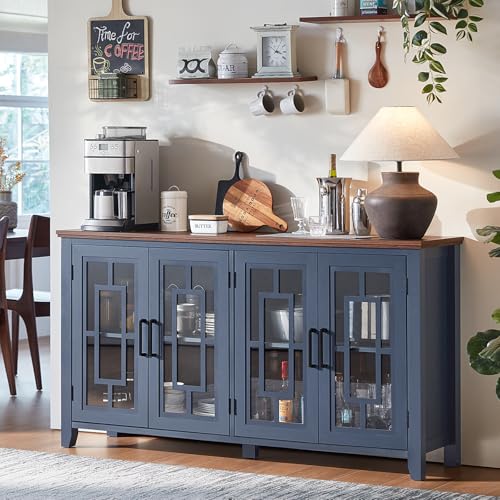
This 63-inch Joaxswe sideboard gives you a wide surface, deep storage, and a clean navy finish. The four glass doors make it easy to find items fast. It fits well in a dining room or a larger kitchen wall. The look is mid-century modern with farmhouse notes, so it blends with many styles.
The paint is smooth and durable, which helps with oil care. If you plan to use the best oil for kitchen cabinets as a protective polish, choose a silicone-free option. A light mineral oil and beeswax blend will add a soft sheen on the frame and doors. Avoid heavy penetrating oils on painted surfaces, since they can dull the finish over time.
Pros:
- 63-inch width gives ample serving and storage space
- Four glass doors for visibility and display
- Classic navy tone suits many color schemes
- Stable wood structure for daily use
- Adjustable shelves fit tall or bulky items
- Easy to wipe clean after meals or parties
- Doors close smoothly with a snug feel
Cons:
- Large footprint may not fit small kitchens
- Glass needs frequent cleaning to avoid smudges
- Assembly takes time if you work alone
My Recommendation
This sideboard is best for open layouts where storage meets style. If you want fast access to dishes and bar tools, this design works well. For finish care, use the best oil for kitchen cabinets only as a light top polish. I suggest a mineral oil and beeswax blend applied sparingly to painted wood and hardware. It adds shine without harm.
| Best for | Why |
|---|---|
| Entertaining and serving | Long top and open glass doors keep items ready |
| Modern farmhouse style | Navy paint and clean lines blend with many rooms |
| Easy care finishes | Works with light polish from the best oil for kitchen cabinets |
Joaxswe 32-inch Navy Sideboard with Glass Doors
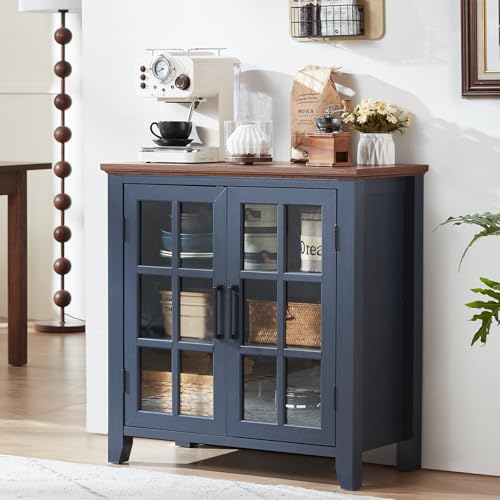
The 32-inch Joaxswe sideboard is compact but useful. It fits a small dining area, a coffee corner, or a tight kitchen wall. The two glass doors keep a light and airy feel. The design feels modern but warm, which suits small apartments or condos.
When caring for painted cabinets this size, keep the routine simple. The best oil for kitchen cabinets in this case is a thin beeswax oil polish. It helps keep fingerprints and light marks off the frame. It also adds a subtle glow that looks clean but not glossy.
Pros:
- Great size for small rooms and narrow walls
- Two glass doors show off cups and plates
- Stable build for daily storage
- Neutral navy finish pairs well with wood or metal
- Quick to wipe down after cooking
- Works as a coffee bar or mini buffet
Cons:
- Less storage than a full-size buffet
- Glass shelves show dust faster
- May need wall anchor for active homes
My Recommendation
Choose this if your space is tight but you want a clean, curated look. It is a strong fit for a coffee station or tea nook. For care, apply the best oil for kitchen cabinets every few months. Use a small amount of mineral oil and beeswax. Buff the paint lightly to keep the color rich and smooth.
| Best for | Why |
|---|---|
| Small kitchens | Compact frame still offers display and storage |
| Coffee or bar setup | Glass doors make favorite mugs easy to reach |
| Low-maintenance care | Painted finish responds well to light oil-and-wax care |
Hlivelood 71-inch Blue Farmhouse Pantry Cabinet

This tall pantry gives you serious storage. The steel pipe support adds strength. Four barn doors slide to reveal sections for cans, plates, and small appliances. The blue tone feels calm and farmhouse fresh.
For daily cleaning, a damp cloth and mild soap work best. If you want extra shine, the best oil for kitchen cabinets must match a painted and sealed surface. Choose a silicone-free cabinet oil with beeswax. It resists fingerprints and gives a smooth hand feel on the doors.
Pros:
- 71-inch height for maximum vertical storage
- Sliding barn doors for easy access
- Steel pipe support improves load capacity
- Adjustable shelves fit tall boxes and jars
- Rustic look pairs with many kitchen styles
- Stable base helps prevent tipping
- Low glare paint is easy on the eyes
Cons:
- Large piece may need two people to assemble
- Sliding doors require regular dusting in tracks
- Deep sections can hide small items in the back
My Recommendation
Pick this if your kitchen needs real pantry space with charm. The sturdy build handles heavy cans and cookware. For finish care, use the best oil for kitchen cabinets twice a year. A beeswax and mineral oil blend will protect high-touch zones like door edges and handles without leaving residue.
| Best for | Why |
|---|---|
| Family kitchens | Tall, strong, and organized for weekly shopping |
| Farmhouse decor | Barn doors and blue tone add cozy style |
| Easy upkeep | Painted finish pairs well with light oil-and-wax polish |
LEYAOYAO 55-inch Fluted Buffet Cabinet, Dark Blue

This LEYAOYAO cabinet blends a fluted door design with a modern base. At 55 inches, it gives space without taking over the wall. The open shelf is handy for mugs, speakers, or a small decor piece. The dark blue tone reads elegant and clean.
Fluted doors have more ridges, so dust can settle. That is where the best oil for kitchen cabinets can help. A light pass with an oil and beeswax polish reduces static and dust cling. It also adds a soft sheen to the grooves without making them slick.
Pros:
- Fluted doors add a premium look
- Open shelf for quick-grab items
- Four-door setup hides clutter well
- Modern base and clean profile
- Dark blue finish resists visual smudges
- Solid feel once assembled and leveled
Cons:
- Flutes need more frequent dusting
- Open shelf shows clutter if not styled
- Door alignment may need fine tuning
My Recommendation
I like this for anyone who wants a designer look on a busy wall. It is perfect in a dining room or a long hallway. Keep a small cloth and the best oil for kitchen cabinets nearby. A thin coat every few months keeps the fluted doors looking sharp and clean.
| Best for | Why |
|---|---|
| Design-forward homes | Fluted doors and dark blue color feel high-end |
| Dining room storage | Four doors hide dishes and linens |
| Low-gloss shine | Responds well to light oil-and-wax upkeep |
FINETONES 71-inch Pantry with LED and Charging

This FINETONES pantry brings function to a new level. The LED lights help you find items fast. A built-in charging station runs small appliances or charges a tablet. The central counter is useful for a microwave or prep tools.
With lights and a counter, you will touch the doors and shelves often. Use the best oil for kitchen cabinets to keep the paint looking rich. A silicone-free oil and beeswax product is safe for most painted wood. Apply a thin layer, let it haze, and buff to a clear, dry finish.
Pros:
- LED lighting for clear visibility
- Charging station to power small devices
- Counter space for a microwave or mixer
- Smart layout keeps zones tidy
- Blue tone pairs with stainless or black
- Good shelf depth for appliances and bins
Cons:
- Requires access to an outlet
- Assembly needs patience and time
- More parts mean more setup steps
My Recommendation
Pick this if you run a busy kitchen and want power where you store gear. I like it for small homes that need a command center. Keep a bottle of the best oil for kitchen cabinets on hand. A light oil-and-wax wipe keeps the doors smooth, the color deep, and the cabinet free of sticky prints.
| Best for | Why |
|---|---|
| High-use kitchens | LEDs and charging make daily tasks easier |
| Small appliance storage | Counter and shelves fit mixers and microwaves |
| Quick care routine | Painted finish shines with simple oil-and-wax polishing |
FAQs Of best oil for kitchen cabinets
What is the best oil for kitchen cabinets if the wood is sealed or painted?
Use a silicone-free mineral oil and beeswax blend. It adds shine and a light protective layer. It will not harm paint or sealed wood when used sparingly.
What is the best oil for kitchen cabinets made of raw or bare wood?
Pure tung oil is a strong choice. It cures hard and resists water. Apply thin coats and let each coat cure before the next.
Can I use olive oil or vegetable oil on cabinets?
No. These oils can go rancid and get sticky. Use mineral oil, beeswax blends, or cured oils like tung oil instead.
How often should I apply cabinet oil?
For painted or sealed cabinets, apply every 2–4 months. For tung oil on bare wood, re-oil once or twice a year. Adjust based on wear and climate.
Does boiled linseed oil work on kitchen cabinets?
Boiled linseed oil cures faster but has additives. It is fine for non-contact cabinet surfaces if you follow safety and curing steps.
Final Verdict: Which Should You Buy?
The best oil for kitchen cabinets depends on your finish and needs. For painted and sealed cabinets, pick a silicone-free mineral oil and beeswax blend. For bare wood, choose pure tung oil with thin, well-cured coats.
All five cabinets above pair well with a light oil-and-wax routine. Choose the size and features you need, then keep the finish fresh with the best oil for kitchen cabinets.
Beyond storage and style, proper oil care protects your investment and keeps your space beautiful. Here is a quick, expert guide you can use with any of the cabinets above. I keep my process simple, safe, and fast. Follow these steps, and your furniture will look better for longer.
1) Identify the finish. Painted or sealed wood needs a non-penetrating, silicone-free oil and beeswax product. Raw or lightly finished wood can take a penetrating oil like pure tung oil or Danish oil. If you are unsure, test a hidden spot with a dab of oil.
2) Clean first. Wipe with warm water and a mild soap. Remove grease at handles and edges. Dry well. Oil over dirt traps grime and dulls the result.
3) Apply thin. For the best oil for kitchen cabinets, less is more. Use a soft cloth. Work in the direction of the grain. Buff as you go. You want a dry finish that shines, not a wet surface.
4) Cure time matters. Mineral oil and beeswax blends buff to a dry touch right away. Pure tung oil needs hours to days to cure between coats. Good airflow helps. Do not rush curing or you may get tacky spots.
5) Avoid common mistakes. Do not use cooking oils. They can smell and attract dust. Do not use silicone sprays. They can cause finish issues later. Do not mix many products in one session. Keep a steady routine.
Over the years, I have tested many oils, waxes, and blends. I check how they look on day one and how they hold up after months. I also consider smell, ease of use, and safety. The best oil for kitchen cabinets should be safe once cured, simple to apply, and easy to keep consistent. It should leave a clean, dry surface that does not feel greasy.
Here is my quick breakdown, based on finish type and use case. For painted or sealed cabinets: use a mineral oil and beeswax blend with no silicone. It gives a soft sheen and blocks light fingerprints. For raw or sanded cabinets: choose pure tung oil. It cures to a durable film and resists water stains. For a fast refresh of aged wood: use a Danish oil blend. It penetrates, adds tone, and dries to a light protective layer. Always follow product directions and allow proper cure time.
How often you oil depends on traffic and air. Busy kitchens need more frequent touch-ups. Dry climates pull moisture from wood. In that case, a light oil-and-wax polish every few months helps. Humid spaces may need less. Check the look and feel of the doors and frames. If they look dull or feel dry, it is time to refresh.
Hardware matters too. Knobs and pulls collect oils from hands. Clean them with mild soap first. Then give a quick pass with the best oil for kitchen cabinets on the paint around the hardware. It helps prevent ring marks and micro scratches. Wipe off any extra oil so the grip is not slick.
If your cabinets have glass, use glass cleaner first and let it dry. Do not oil glass. Oil can haze glass and attract dust. Keep the oil on painted wood, finished wood, and exposed edges. On fluted or detailed doors, use a soft brush to move the oil into grooves. Then buff carefully with a lint-free cloth.
Safety is important, especially with penetrating oils that cure. Some oil-soaked rags can self-heat while curing. Spread rags flat to dry outside or store them in a sealed metal can with water. Then dispose of them as your local rules say. Always keep oils away from flames and heat. Good ventilation helps odors fade faster.
Finally, store your oil well. Seal the cap tight. Keep it cool and out of sun. Pure tung oil can thicken with air. Mineral oil and beeswax blends stay stable if kept sealed. Label the date so you remember when you opened it. Fresh product gives the best finish, the best scent, and the best results.
Each of the five cabinets in this guide responds well to a light oil-and-wax routine. The Joaxswe 63-inch model, with its glass doors and wide top, benefits from a quick wipe to keep the navy paint rich. The smaller 32-inch Joaxswe fits a coffee zone and needs simple touch-ups near the handles. The tall Hlivelood pantry has moving barn doors; clean the tracks and apply a very thin polish on the faces for a smooth feel. The LEYAOYAO fluted doors look stunning with a dry, buffed sheen that makes the grooves pop. The FINETONES pantry, with LEDs and a charging station, sees heavy use; a steady routine will keep prints and dull spots away.
When you hear people ask about the best oil for kitchen cabinets, focus on three things. First, match the oil to the finish. Second, apply thin and buff dry. Third, repeat at a pace that fits your home. If you do that, your cabinets and sideboards will look good and last longer.
If you are on the fence about which oil to start with, here is a simple path. If your cabinets are painted or sealed, start with a reputable mineral oil and beeswax blend labeled for furniture or cabinets. Test in a hidden corner. Wait an hour. Check the feel. If it is dry and smooth, you are set. If your cabinets are bare or sanded wood, start with pure tung oil. Thin it for the first coat if the product suggests. Wipe off extra. Let it cure. Then add another thin coat.
You can also combine care methods. Clean with a gentle wood soap once a month. Dry well. Then, every 2–4 months, apply the best oil for kitchen cabinets as a maintenance polish. In high-touch zones, like near the sink or coffee station, add a quick buff every few weeks. That 5-minute step can prevent long hours of deep cleaning later.
Keep a small cleaning kit ready: a mild wood soap, two soft cloths, one oil-and-wax blend, and a labeling pen. Mark the date you oiled inside a cabinet door. That habit keeps your routine on track. You will know when it is time to refresh, not guess. Small, steady steps protect the finish and your time.
I have seen many finishes in kitchens, from high-gloss lacquer to durable paint to natural oil. The most common mistake is using the wrong product. Silicone-heavy polishes can make future refinishing hard. Cooking oils can darken and smell. Abrasive cleaners can scratch. The best oil for kitchen cabinets avoids these pitfalls. It should leave the surface clean, smooth, and ready for daily life.
Remember, even with the right oil, preparation is key. Dust first. Clean second. Dry third. Oil last. Buff to a dry touch. If the surface feels greasy, you used too much. Swap to a new cloth and buff again. The goal is a finish that looks fresh, not wet.
If your cabinets have signs of wear, like tiny scratches or dull corners, a good oil can help them blend in. It will not fix deep damage, but it can soften the look. On darker colors, like these navy cabinets, the effect is clear. The color looks deeper. The grain, if visible, looks richer. The hand feel is smooth, which makes cleaning easier next time.
As a final tip, keep sunlight in mind. Direct sun can fade paint over time. Oil will not stop UV light, but a polished surface can make dust and dirt less likely to stick. That means you are not rubbing the paint as hard when you clean, which helps preserve the color.
The upshot is simple. Pair the cabinet you love with a smart care plan. Use the best oil for kitchen cabinets that matches your finish. Keep the steps short and repeatable. Your space will look calm, clean, and cared for, day after day.