
A good kitchen knife brand balances steel quality, construction, edge retention, and reliable support. Check top selections for What Is A Good Kitchen Knife Brand. Perfect for chopping, slicing, and dicing with smooth and sharp edges. Choosing what is a good kitchen knife brand matters more than model names. I have tested, sharpened, and cooked with dozens of knives over many years. In this guide I explain how to judge brands, compare top makers, and share practical tips from real use. Read on to learn what is a good kitchen knife brand for your needs, budget, and cooking style.
:max_bytes(150000):strip_icc()/ses-shun-knives-donna-currie-01-3beb1b89433f4ce09cec9d7ff0ed1b88.jpeg)
Source: thespruceeats.com
How to judge what is a good kitchen knife brand
A brand is more than a logo. The best brands control materials, heat treatment, and final fit and finish. Here are the key criteria to evaluate when asking what is a good kitchen knife brand:
- Steel and metallurgy. Look for consistent steel types, clearly stated hardness (HRC), and known alloy chemistry. Good brands publish these specs.
- Construction method. Full-tang forged knives often show higher durability. Stamped knives can still be excellent if the steel and heat treatment are right.
- Edge geometry and sharpening. Brands that optimize edge angles and provide clear sharpening guidance are preferable.
- Handle design and ergonomics. Comfort, balance, and non-slip materials matter for safety and speed.
- Quality control and consistency. A reliable brand produces consistent blades with tight tolerances and good finishing.
- Warranty and customer support. A trustworthy brand stands behind its knives with repair, return, or sharpening services.
- Reputation among professionals. Chefs and cutlery specialists often reveal which brands perform in heavy use.
When you ask what is a good kitchen knife brand, focus on these practical points more than marketing. A brand that excels in these areas will give you tools that last and perform.
Top kitchen knife brands to consider
Below are well-regarded brands that frequently answer the question of what is a good kitchen knife brand. Each entry lists strengths, typical steel, and ideal user.
Wüsthof
- Strengths: Classic German forging, durable edges, robust handles.
- Typical steel: High-carbon stainless steel, well-tempered (HRC ~58).
- Ideal for: Home cooks and pros who prefer weight and durability.
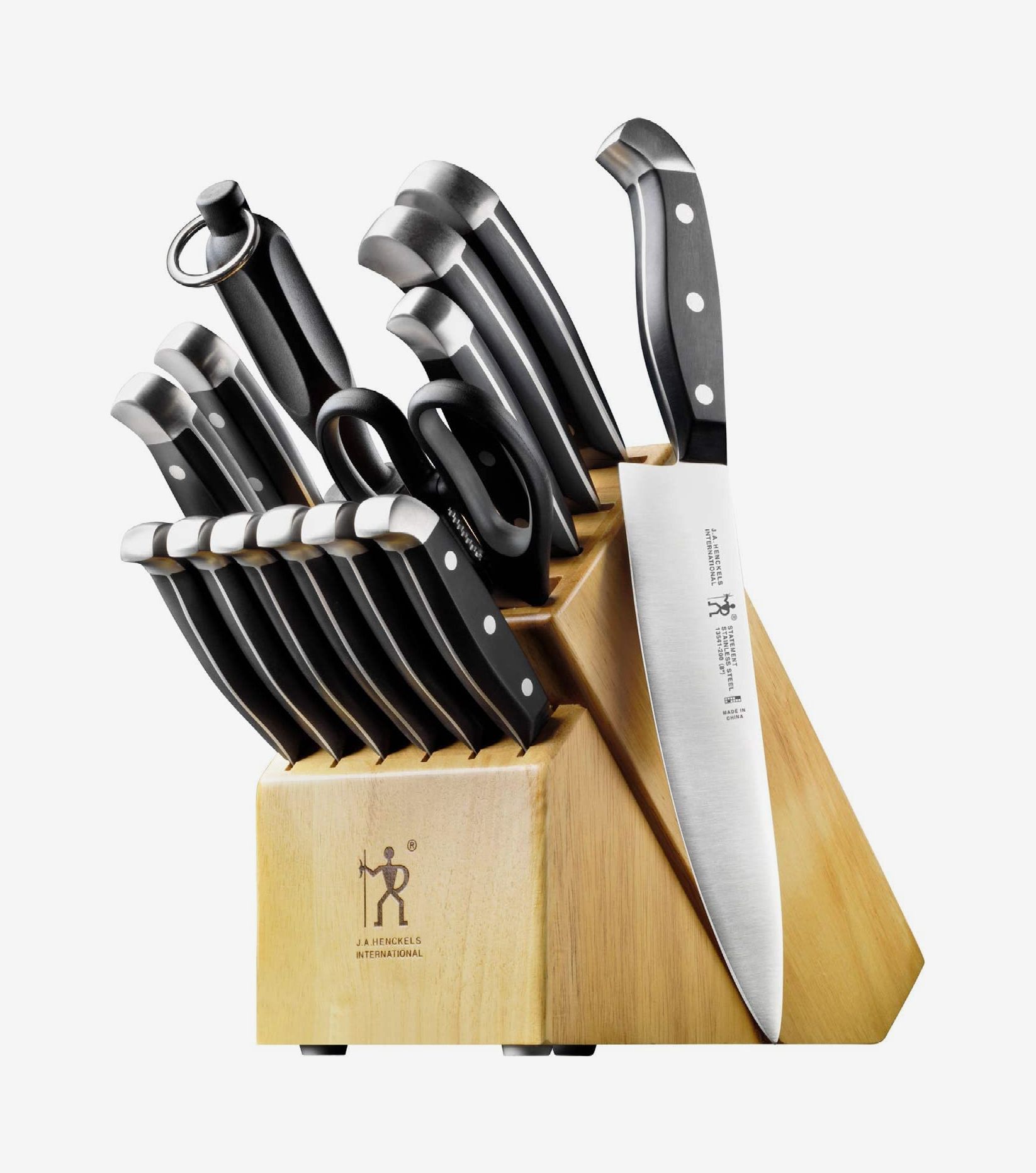
Zwilling J.A. Henckels
- Strengths: Wide range of lines from budget to premium; solid warranties.
- Typical steel: High-carbon stainless; ice-hardened options in higher-end lines.
- Ideal for: Buyers who want brand depth and after-sales support.
Global
- Strengths: Lightweight, seamless stainless steel, modern balance.
- Typical steel: Cromova 18 stainless steel.
- Ideal for: Those who prefer a lighter, thinner blade with a modern look.
Shun
- Strengths: Japanese craftsmanship, very sharp edges, aesthetic finishes.
- Typical steel: VG-MAX or layered Damascus with hard core (HRC ~60–62).
- Ideal for: Precision slicing and users who like traditional Japanese geometry.
Victorinox
- Strengths: Excellent value, very sharp out of box, lightweight.
- Typical steel: High-carbon stainless.
- Ideal for: Budget-conscious cooks and professionals who want reliable utility knives.
MAC
- Strengths: Excellent thin blades, great edge retention, favored by chefs.
- Typical steel: High-carbon stainless with fine edge (HRC ~60+).
- Ideal for: Users who want an extremely sharp, thin cutting edge.
Miyabi
- Strengths: Luxury finishes, precision heat treatment, beautiful designs.
- Typical steel: SG2 micro-carbide powder steel in premium models.
- Ideal for: Collectors and cooks seeking high-performance Japanese blades.
Tojiro
- Strengths: Great value Japanese knives with solid core steels.
- Typical steel: VG-10 in higher lines; affordable carbon steel in some models.
- Ideal for: Those entering Japanese knives without a huge spend.
Dalstrong
- Strengths: Bold marketing, variety of styles, competitive performance for price.
- Typical steel: AUS/ATS stainless steels in many lines.
- Ideal for: Buyers who want modern aesthetics and robust offerings.
Misono
- Strengths: Renowned Japanese maker with pro-grade quality.
- Typical steel: Swedish stainless and powder steels in premium lines.
- Ideal for: Professional chefs and serious enthusiasts.
Each of these brands answers the question what is a good kitchen knife brand in different ways. Match brand strengths to your priorities: edge sharpness, durability, weight, or value.

Best knives by use case
Choose a brand and model that matches how you cook. Here are practical picks based on common needs.
- Best all-round chef’s knife for home cooks
- Consider Wüsthof Classic 8″ or Zwilling Pro 8″. Durable and versatile.
- Best budget workhorse
- Victorinox Fibrox Pro 8″. Sharp, light, and affordable.
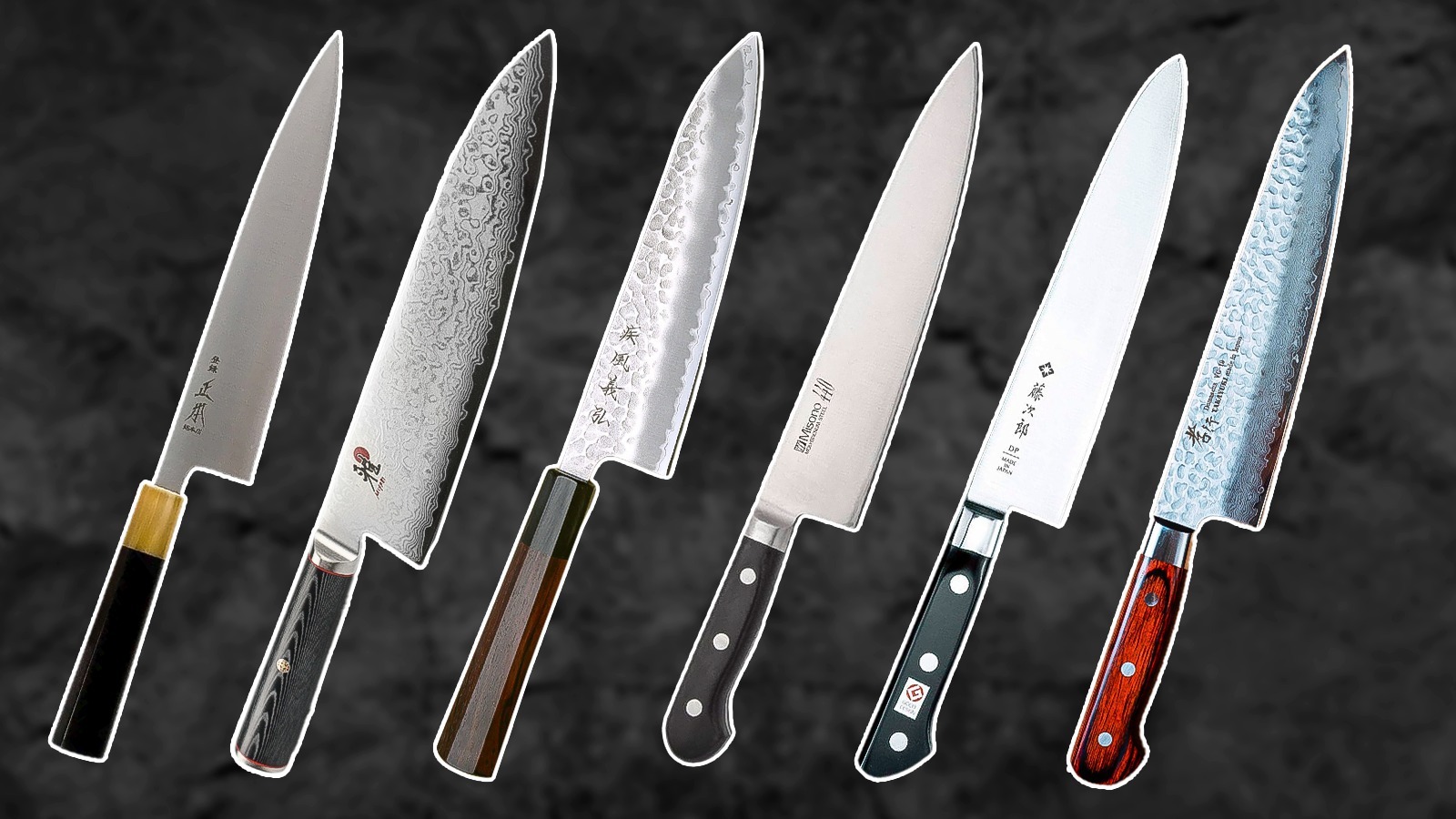
- Best Japanese-style slicing and precision
- Shun Classic or MAC Professional 8″. Thin, razor-sharp edges.
- Best for professional kitchens
- Misono UX10 or Miyabi 5000MCD. High performance with long edge life.
- Best value Japanese
- Tojiro DP series. Great steel and craftsmanship at a low price.
- Best modern stainless single-piece design
- Global G-2. Lightweight with unique balance.
- Best gift or luxury choice
- Miyabi Artisan or high-end Shun lines. Beautiful finishes and top steels.
When choosing, try to handle the knife if possible. The feel in your hand will often be the deciding factor when asking what is a good kitchen knife brand for you.
Care, sharpening, and maintenance tips
A good brand helps, but care keeps a knife performing.
- Hone regularly
- Use a honing rod before each use to realign the edge. This extends time between sharpenings.
- Sharpen when needed
- Use a whetstone, guided sharpener, or professional service. Follow published edge angle recommendations.
- Wash and dry by hand
- Avoid the dishwasher to protect the edge and handle.
- Store safely
- Use a wooden block, magnetic strip, or blade guards to prevent chips and accidents.
- Maintain the right angle
- Japanese knives often take 15° per side. German knives are usually 20° per side. Match your sharpening to the knife’s intended angle.
From experience, a modest investment in a good whetstone and a little practice reciprocates in much sharper, longer-lasting knives.

How to choose based on budget and cooking style
Budget and cooking habits narrow the choices:
- Under $80
- Look for Victorinox, entry-level Zwilling, or Tojiro. Expect good function but fewer luxury finishes.
- $80–$200
- Wide options: Wüsthof, MAC, many Shun entry models. Solid performance and warranties.
- $200 and up
- Premium Japanese steels, handcrafted lines, and luxury finishes appear. Ideal for collectors and pros.
Consider cooking style:
- Heavy chopping and bone work
- Choose thicker, heavier blades from robust brands.
- Fine slicing and sashimi-style prep
- Pick thin, hard-steel Japanese blades from brands known for edge retention.
Budget affects materials and finish more than basic performance. That answers what is a good kitchen knife brand at each price point: brands that match your cooking style and show consistent quality.
Common mistakes to avoid when buying a knife
Avoid these traps so you get a knife that truly fits your needs.
- Buying solely on brand name
- Not every line from a big brand meets the same standards. Check the specific model.
- Choosing weight without testing
- A heavy knife is not always better. Test balance and comfort.
- Ignoring maintenance needs
- Some knives need frequent sharpening. Know the upkeep before you buy.
- Overpaying for aesthetics
- Fancy finishes look great but don’t always improve cutting performance.
- Not considering handle fit
- A poor handle causes fatigue and safety risks.
By steering clear of these mistakes you will better determine what is a good kitchen knife brand for long-term use.
Source: tastingtable.com
Frequently Asked Questions of what is a good kitchen knife brand
What materials signal a high-quality kitchen knife brand?
High-quality brands use well-specified steels and controlled heat treatment. Look for clear information on steel type and hardness.
Are forged knives always better than stamped knives?
Not always. Forged knives often offer more weight and durability, but stamped knives can be excellent if the steel and heat treatment are high quality.
How often should I sharpen a good kitchen knife brand’s blade?
Hone before each use and sharpen on stones when the edge dulls, usually every few months for home cooks. Frequency depends on use and steel hardness.
Is a more expensive brand always a better choice?
Price often reflects materials and finish, but a mid-range brand can outperform a luxury brand if it uses superior steel and heat treatment. Match features to your needs.
Can I use a chef’s knife for everything?
A chef’s knife covers most tasks, but small tasks benefit from a paring knife and large bones need a cleaver. Use the right tool for safety and edge life.
How do I find what is a good kitchen knife brand for a left-handed cook?
Look for ambidextrous handles and symmetric bevels. Many Japanese knives have single bevels suited to right-handed cooks, so check the edge type and offer for left-handed versions.
Conclusion
Choosing what is a good kitchen knife brand means balancing steel quality, construction, ergonomics, and support. Prioritize brands that publish specs, offer consistent quality, and match your cooking style and budget. Test the knife if you can, maintain it with proper care, and invest in sharpening skills. Take action: try one recommended brand from this guide, practice basic sharpening, and leave a comment about your experience or questions.