
Best paint for kitchen cabinets is a high-quality acrylic-alkyd or waterborne enamel with a satin finish. I have painted dozens of kitchens over the past decade, and I know what works and why. Looking for What Is The Best Paint For Kitchen Cabinets? Read clear guides, compare top choices, and choose the right finish for a clean look.

Source: penniesforafortune.com
Understanding paint types: which formula wins for cabinets
When asking what is the best paint for kitchen cabinets, the key question is durability versus ease of use. Two formulas stand out: acrylic-alkyd (waterborne alkyd) and 100% acrylic enamel. Acrylic-alkyd paints combine the hard finish of oil with water cleanup and low odor. 100% acrylic enamel offers excellent adhesion and durability on properly prepped wood or MDF.
Choosing between them depends on tools, ventilation, and desired finish. If you want a furniture-like, hard surface, acrylic-alkyd or waterborne enamel is usually best. If you prefer simpler cleanup and lower VOCs, a high-quality acrylic enamel can be an excellent choice.
:max_bytes(150000):strip_icc()/2163905_2013i0044-ed4443faf61245f9a5e8bc9e9f11deff.jpg)
Sheen selection: satin, semi-gloss, or gloss
What is the best paint for kitchen cabinets often comes down to sheen choice. Satin and semi-gloss are the most common and practical. Satin hides small flaws better and still wipes clean, while semi-gloss and gloss provide more scrubbability and a slightly more modern look.
Practical considerations:
- Satin finish — Good balance of durability and forgiving look for busy kitchens.
- Semi-gloss finish — Best for high-cleaning needs and bright, reflective look.
- Gloss finish — Very durable and easy to clean but shows every imperfection.
Match sheen to your cabinet style and how often you clean surfaces.
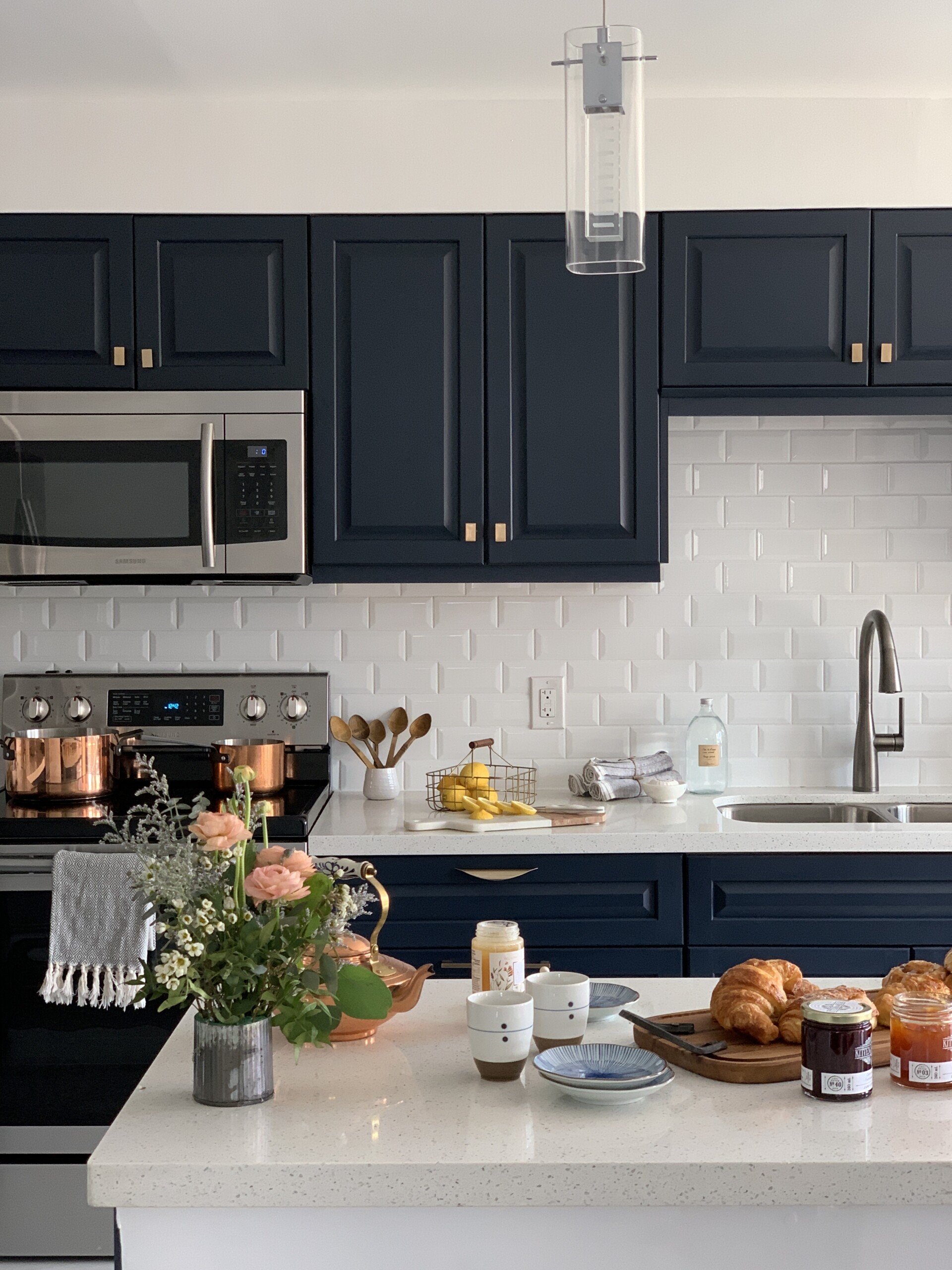
Preparation: the step that determines success
One major lesson I learned early is that paint choice matters less than prep. When people ask what is the best paint for kitchen cabinets, I answer that the best results follow careful prep. Cleaning, deglossing, sanding, and proper priming are non-negotiable steps.
Essential prep steps:
- Clean thoroughly with a degreaser to remove oils and cooking residues.
- Remove or label hardware, doors, and drawers for easier work.
- Lightly sand or use a liquid deglosser to promote adhesion.
- Prime with a bonding primer suited to your surface (MDF, laminate, or oil-based old paint).
Skimping on prep causes flaking and adhesion failures even with the best paint.
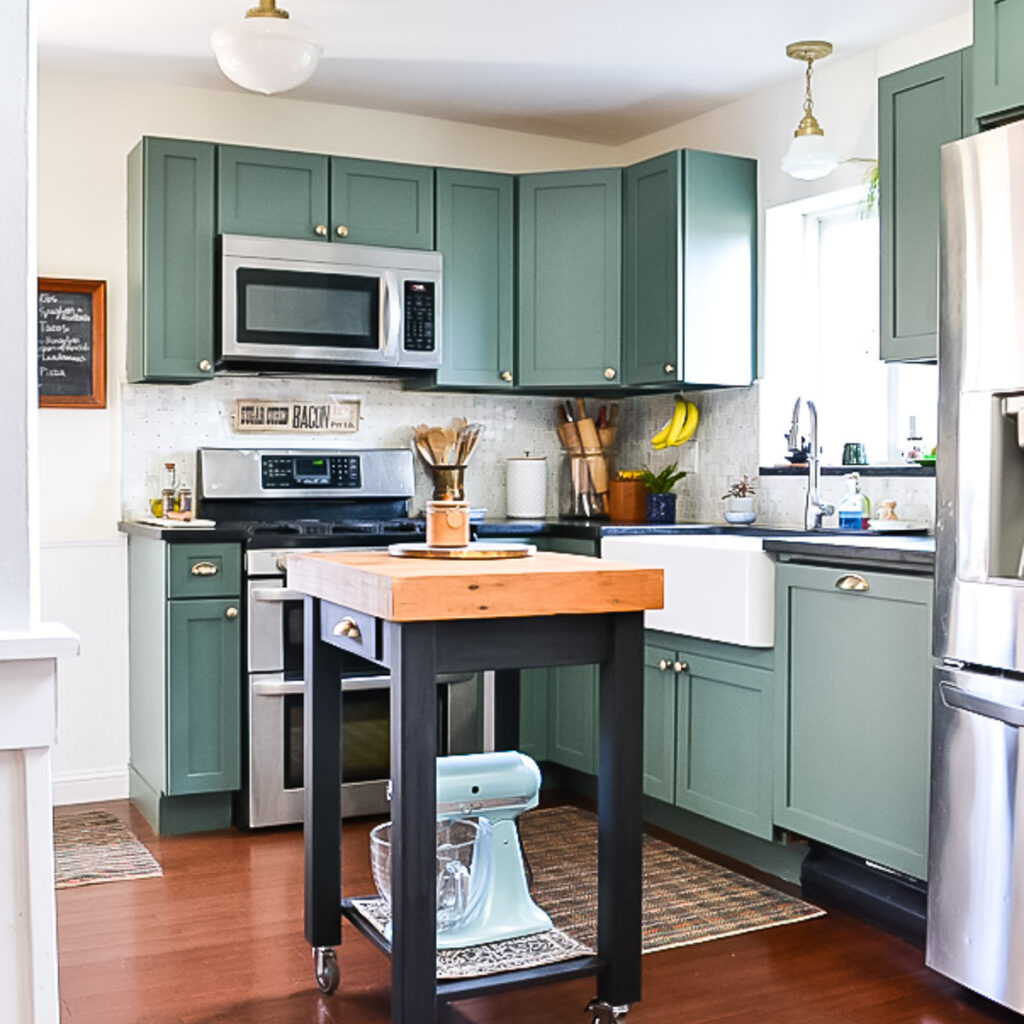
Application methods: brush, roller, or spray
What is the best paint for kitchen cabinets also depends on how you apply it. Spraying gives the smoothest, furniture-quality finish but needs masking and ventilation. Brushing and rolling are more accessible and still produce professional results when done carefully.
Application tips:
- Spraying — Use HVLP or airless sprayer for a factory finish; thin coats and proper masking required.
- Brushing — Use high-quality synthetic brushes for waterborne paints; cut in edges first.
- Rolling — Use a fine-nap foam roller for flat areas to reduce texture.
Multiple thin coats beat one heavy coat. Sand lightly between coats for best smoothness.

Best brands and product recommendations
When deciding what is the best paint for kitchen cabinets, brand reliability and product specs matter. Look for paints labeled for cabinets, trim, or furniture to ensure hardness and durable binders. Popular professional-grade options include waterborne alkyds and cabinet-specific enamel lines.
What to look for:
- Waterborne alkyds — Provide hard, smooth finishes and lower VOCs.
- Cabinet enamels — Formulated to resist scratches and yellowing.
- High-adhesion primers — Especially for slick surfaces like melamine or laminate.
Select a product with good user reviews and a proven track record for cabinetry.
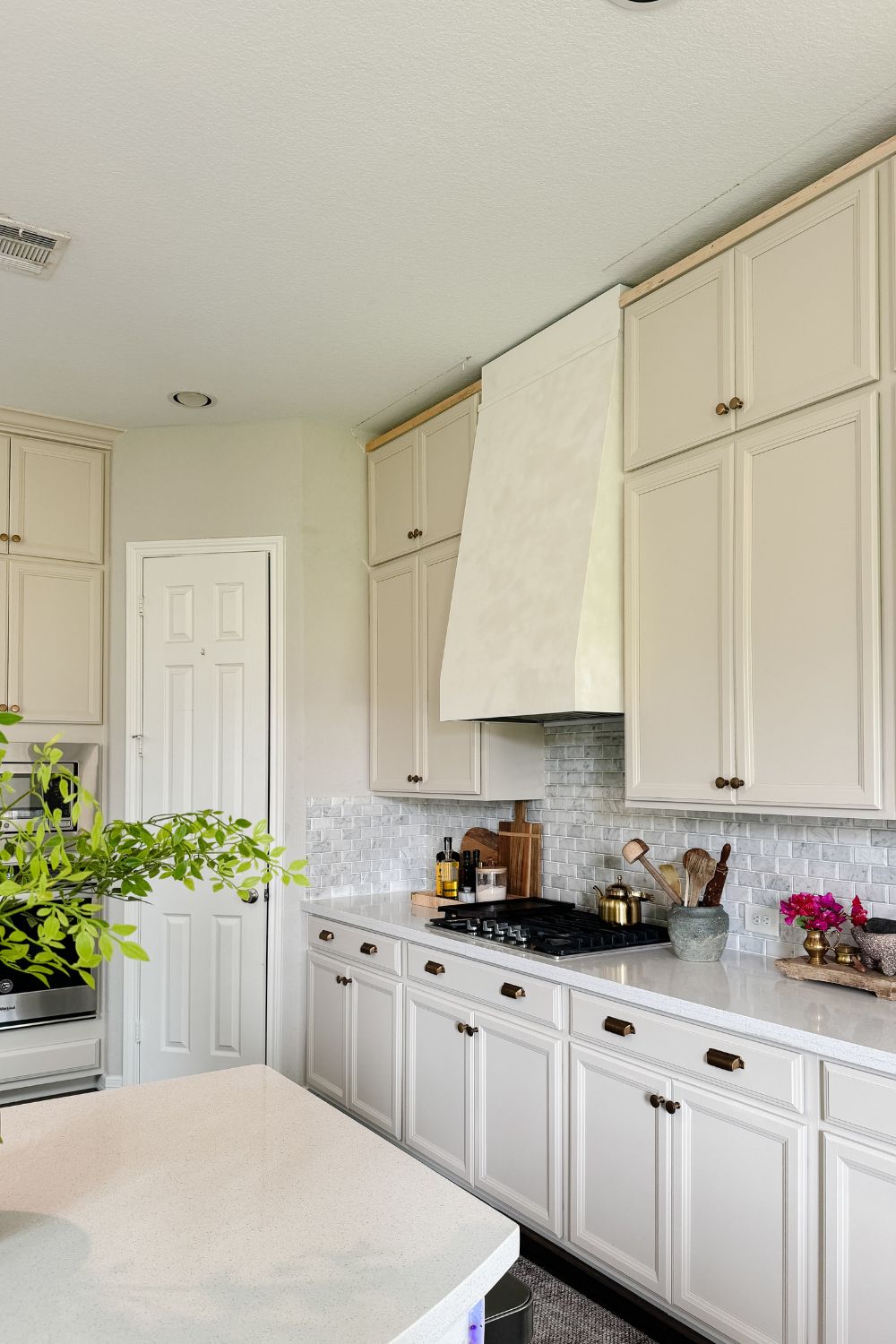
Choosing color affects how often you’ll need to repaint. Dark colors show scratches and dust; light colors show stains less but may yellow over time depending on the formula. When planning what is the best paint for kitchen cabinets, consider durability and how color pairs with kitchen light and traffic.
Tips on color and longevity:
- Neutral whites and grays are timeless and resell-friendly.
- Two-tone schemes hide wear on lower cabinets with darker shades.
- Test samples on cabinet doors to check light, undertones, and wear.
Durability comes from both paint choice and the right topcoat or curing time.
:max_bytes(150000):strip_icc()/Best-paint-for-kitchen-cabinets-4686963-illo2-V2-7934496d2a294c74b9309aea1b01dd18.png)
Maintenance and cleaning: keeping cabinets looking new
Understanding what is the best paint for kitchen cabinets includes knowing how to maintain them. Proper cleaning keeps the finish intact. Use gentle cleansers and soft cloths rather than abrasive pads.
Maintenance checklist:
- Wipe spills promptly to avoid staining.
- Use mild soap and water or a gentle all-purpose cleaner.
- Avoid harsh scrubbing for at least 30 days after painting to allow full cure.
Regular care extends the life of any cabinet paint.

Cost, timeline, and project planning
When homeowners ask what is the best paint for kitchen cabinets, they also want to know cost and time. Painting a kitchen well can take several days to weeks, depending on prep, drying times, and whether you remove doors and drawers.
Budget and timeline guide:
- Materials (primer, paint, brushes/rollers, tape): expect moderate cost depending on brand.
- Labor: DIY saves money but takes time; professional spraying increases cost but speeds finish.
- Timeframe: plan for 3–7 days for a DIY refresh; longer for complex projects.
Plan for curing time before heavy use to avoid sticky finishes or dents.
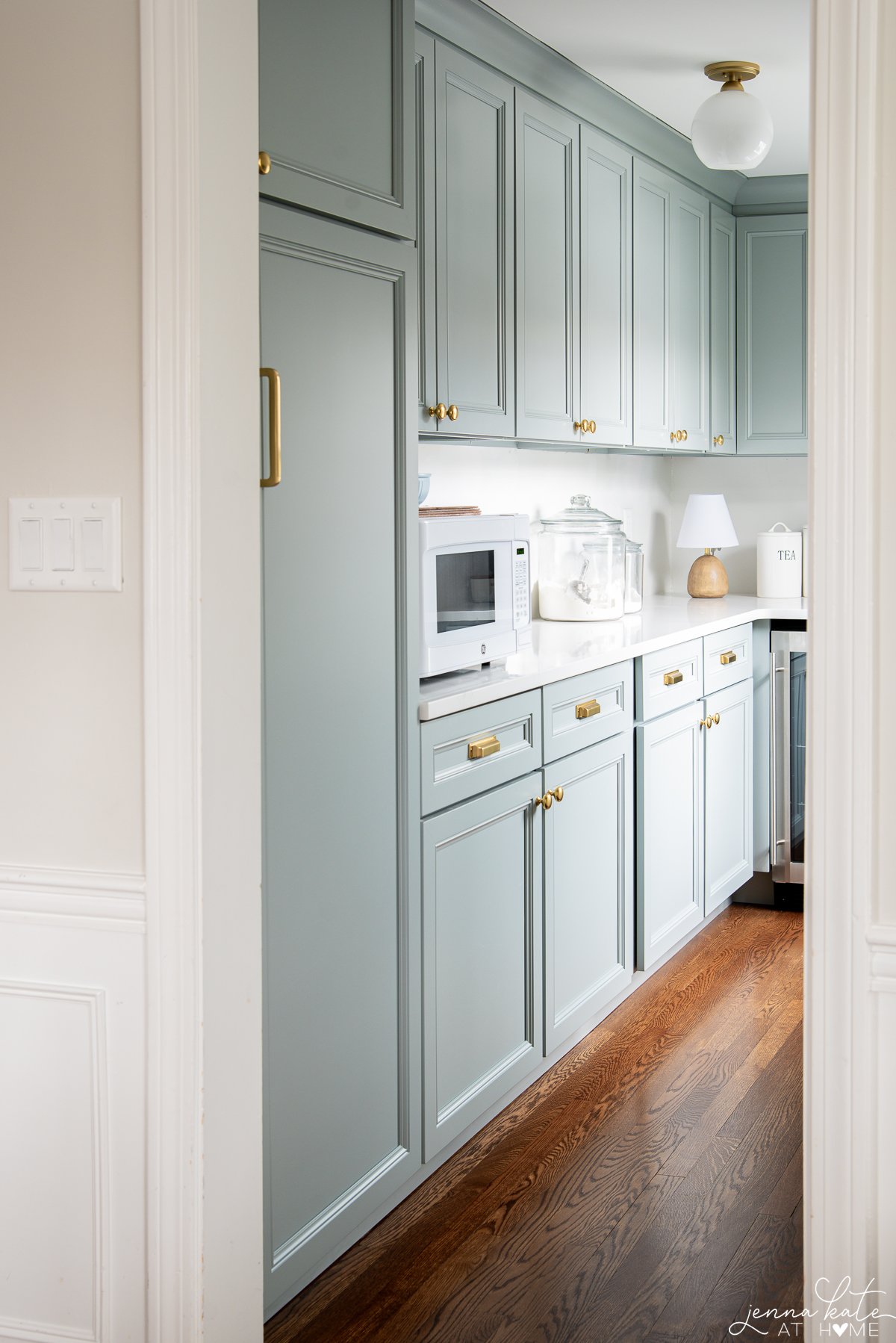
Mistakes to avoid: lessons from real projects
From years of work, the biggest mistakes people make when deciding what is the best paint for kitchen cabinets are skipping primer, using the wrong paint type, and applying thick coats. These errors lead to peeling, brush marks, and premature wear.
Common mistakes:
- Not cleaning or degreasing cabinets first.
- Choosing standard wall paint instead of cabinet-specific or enamel paint.
- Skipping primer on difficult surfaces like laminate or oil-painted wood.
Avoid these and you’ll get results that last longer and look better.
Personal experience and tested tips
I once repainted a rental kitchen using waterborne alkyd paint after many failed attempts with wall paint. The result looked like new and held up for years. From that and many other jobs I learned these practical tips.
Practical tips from experience:
- Always use a bonding primer on previously painted or slick surfaces.
- Sand between coats with fine grit for a smooth finish.
- Allow full cure time—days for handling, weeks for maximum hardness.
These small steps save time and money over a kitchen lifetime.
Frequently Asked Questions of what is the best paint for kitchen cabinets
What paint finish is best for kitchen cabinets?
A satin or semi-gloss finish is best; satin hides small flaws while semi-gloss offers easier cleaning. Choose based on how much wear and cleaning the cabinets will see.
Can I use regular wall paint on kitchen cabinets?
Regular wall paint is not ideal because it lacks the hardness and adhesion of cabinet-specific paints. Use a paint labeled for trim, woodwork, or cabinets for better durability.
Is oil-based or water-based paint better for cabinets?
Modern waterborne alkyds combine oil-like hardness with water cleanup and are often the best compromise. True oil-based paints are durable but have stronger odor and cleanup needs.
Do I need to prime kitchen cabinets before painting?
Yes, priming improves adhesion and hides stains or color differences. Use a bonding primer for slick surfaces and a stain-blocking primer for tannin-rich woods.
How many coats of paint are needed for cabinets?
Typically two to three thin coats provide full coverage and durability. Sand lightly between coats for the smoothest surface.
Can I paint laminate cabinets without sanding?
You can use a liquid deglosser and a bonding primer on laminate, but light sanding improves adhesion and is recommended for best results. Proper primer is critical to prevent peeling.
Conclusion
Choosing what is the best paint for kitchen cabinets means balancing durability, finish, and ease of application. Prioritize acrylic-alkyd or cabinet enamel, invest time in prep and priming, and choose a satin or semi-gloss sheen that matches your cleaning habits and style. Start small with a sample panel, follow the prep steps, and allow proper curing time to get a lasting, professional-looking finish. Try these tips on one cabinet door first, then commit—your refreshed kitchen is within reach. Leave a comment with your project details or subscribe for more practical painting guides.