
Stainless steel or natural stone blends are often best, balancing durability, cost, and style. See what material is best for kitchen sink. Get tips to pick a sink that is strong, stylish, and easy to clean. As a kitchen design professional with years of hands-on experience, I will guide you through what material is best for kitchen sink with clear, practical advice. This guide compares common materials, explains pros and cons, and offers real-world tips from projects I have completed. Read on to make a confident, long-lasting choice for your kitchen.
Source: vevano.com
Why the sink material matters
Choosing what material is best for kitchen sink affects durability, hygiene, and daily use. The right material can resist stains, scratches, and heat while matching your kitchen style. Cost and maintenance also change with the material. Knowing these trade-offs helps you pick the best option for your needs.

Source: tapwarehouse.com
Common kitchen sink materials and how they compare
Below I describe the main sink materials. I list pros, cons, cost notes, and best use. Think about how you cook and clean as you read what material is best for kitchen sink.
Stainless steel
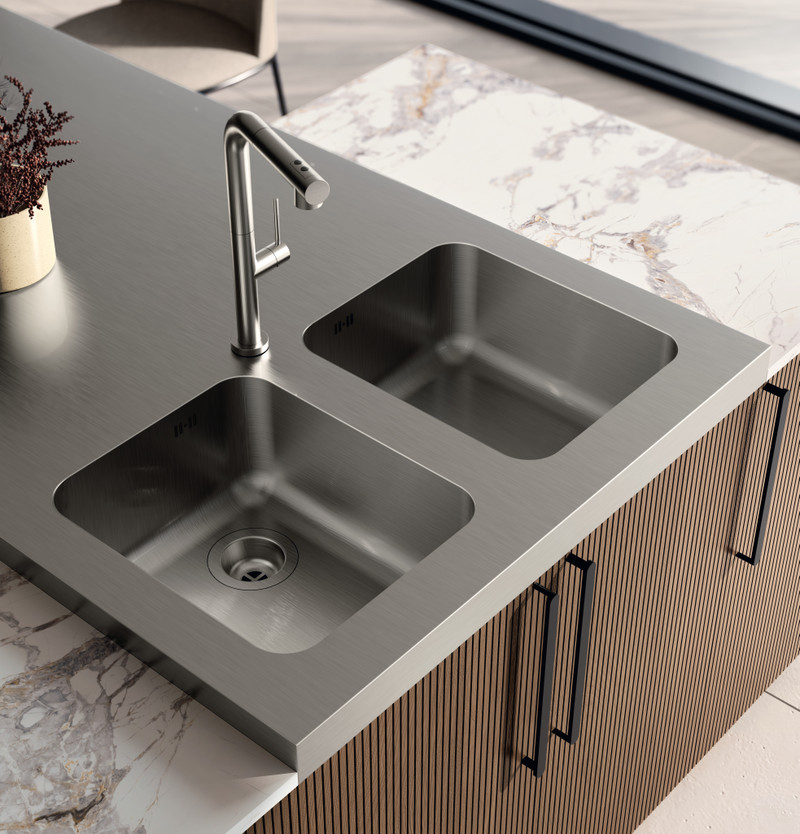
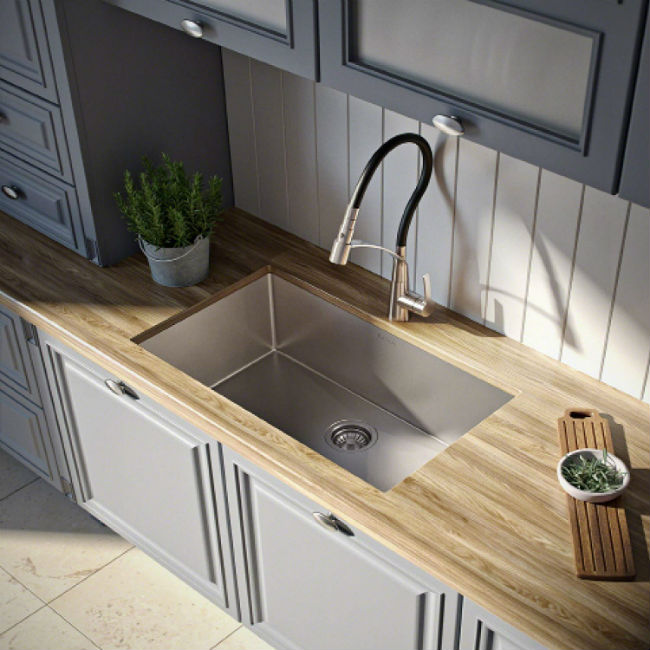
Stainless steel is the most common choice for modern kitchens. It resists rust, tolerates high heat, and is easy to clean. Lighter gauge steel dents more easily; thicker gauges are quieter and stronger. I often specify 16- or 18-gauge stainless for long-term durability.
Cast iron with enamel
Cast iron sinks have a heavy base and a glossy enamel finish. They feel solid and last decades if cared for. Chips in the enamel can occur with heavy impact, and repairs are visible. These sinks fit classic and transitional kitchens well.
Fireclay and ceramic
Fireclay sinks are molded and fired, giving a durable, nonporous surface. They resist staining and look crisp in farmhouse or traditional kitchens. They can chip if heavy objects hit the edges, and they are heavier to install.
Composite granite / quartz
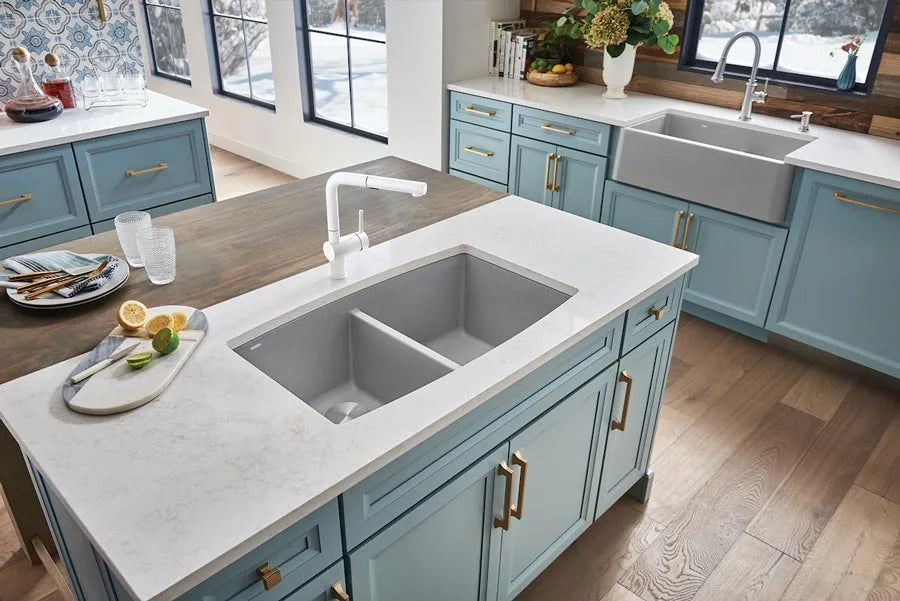
Composite sinks blend granite or quartz with resin. They resist scratching and hide daily wear well. They are heat resistant and available in many colors. They can be costly but offer a modern, durable option.
Copper
Copper sinks add warm color and natural antimicrobial properties. They patina over time and require special cleaners to maintain a particular look. Copper is softer and more prone to dents and scratches than stainless steel.
Solid surface (e.g., acrylic-based)
Solid surface sinks integrate with countertops for a seamless look. They are repairable if scratched and easy to clean. They are less heat resistant than stone or stainless. Use these in contemporary, integrated designs.
Porcelain enamel on steel
Porcelain enamel on steel gives a smooth, glossy finish at a lower cost than cast iron. It resists stains but chips more easily. It is a budget-friendly choice for classic looks.
Carbon steel
Carbon steel is similar to cast iron in strength but lighter. It needs oiling or finish maintenance to prevent rust. It works well in professional or farmhouse kitchens where a rugged look is desired.
:max_bytes(150000):strip_icc()/GettyImages-1098390260-48e2f81dd4de4c1381af5e811a031e42.jpg)
Source: thespruce.com
How to decide what material is best for kitchen sink
Consider these factors when choosing the material. Match them to your daily routine and kitchen goals.
- Durability needs
- If you use heavy cookware and entertain, pick a tougher material like stainless steel or composite granite.
- Maintenance and cleaning
- If you want low maintenance, choose stainless steel, fireclay, or composite sinks.
- Aesthetics and style
- For classic looks, pick cast iron or fireclay. For modern kitchens, consider stainless steel or composite.
- Budget
- Stainless steel and porcelain-on-steel are budget-friendly. Fireclay, cast iron, and natural stone cost more.
- Sound and feel
- Heavier materials feel solid. If noise matters, choose thick-gauge stainless or sinks with sound-dampening pads.
- Size and installation
- Undermount sinks require solid counters. Top-mount sinks fit most countertops easily.
- Heat and stain resistance
- Stone and stainless handle heat well. Composite and solid surface need care with very hot pots.
Ask, “What do I use most in my kitchen?” This helps answer what material is best for kitchen sink in your home.
Source: vevano.com
Installation, maintenance, and lifespan by material
Proper installation and care extend any sink’s life. Here are practical expectations.
- Stainless steel
- Lifespan: 10–30 years with good care. Clean with mild detergent and avoid harsh scouring pads.
- Cast iron with enamel
- Lifespan: 20–50 years. Avoid dropping heavy objects and use gentle cleansers for chips.
- Fireclay and ceramic
- Lifespan: 20–50 years. Clean with non-abrasive products and avoid strong impacts.
- Composite granite
- Lifespan: 15–30 years. Clean spills quickly and use manufacturer-approved cleaners.
- Copper
- Lifespan: 10–25 years. Expect patina; use special cleaners for a polished finish.
- Solid surface
- Lifespan: 10–20 years. Scratches can be sanded out; avoid very hot pans directly on the surface.
A correct seal and proper support are essential for undermount sinks. I recommend a professional install for heavier materials. Routine cleaning keeps surfaces sanitary and attractive.
Source: scavolini.com
My experience, common mistakes, and practical tips
I have installed and specified sinks in dozens of kitchens. Here are lessons I learned.
- Match material to use
- I once put a thin-gauge stainless sink in a busy home and the owner complained of dents. Thicker gauge would have avoided that.
- Prep your cabinets and counters
- Heavy sinks require reinforced cabinetry. I always check under-cabinet support before ordering.
- Consider soundproofing
- Adding adhesive sound pads to stainless sinks reduces noise significantly.
- Test color samples
- Composite and fireclay colors vary. I always place samples next to counters and lighting before finalizing.
- Plan for maintenance
- If you dislike regular care, avoid copper and soft finishes that need special cleaning.
These hands-on tips show what material is best for kitchen sink depends on use, budget, and style.
Source: bobvila.com
Frequently Asked Questions of what material is best for kitchen sink
What material lasts the longest for a kitchen sink?
Cast iron with enamel and fireclay sinks often last decades with proper care. Stainless steel also lasts long, especially in thicker gauges.
Is stainless steel a good choice for every kitchen?
Yes, stainless steel works well in most kitchens because it resists stains, heat, and bacteria, and it fits many styles. Choose a thicker gauge for more durability and less noise.
Are composite granite sinks heat resistant?
Composite granite sinks resist heat well but not as much as stone or stainless steel. Avoid placing red-hot pans directly in the sink.
Which sink material requires the least maintenance?
Stainless steel and fireclay tend to need the least special care and are easy to clean regularly. Composite sinks also clean easily but follow manufacturer guidance.
Can I install a heavy sink in any cabinet?
No. Heavy sinks, like cast iron or fireclay, need reinforced cabinets and sometimes extra bracing. Check cabinet specs before ordering.
Will copper sinks kill bacteria?
Copper has natural antimicrobial properties, which can reduce bacteria growth on surfaces. Still, regular cleaning is essential for hygiene.
Conclusion
Choosing what material is best for kitchen sink comes down to your daily habits, budget, and style goals. Stainless steel and composite granite are strong, practical choices for many homes, while fireclay and cast iron offer timeless beauty for slower-paced kitchens. Use the checklist above, test samples, and plan installation with support in mind to ensure a lasting result. Take one small step today: list your top three priorities for the sink and use that list to narrow materials. If you found this guide helpful, leave a comment or subscribe for more kitchen design advice.