
Choose durable, proportional hardware that matches your style, finish, and daily function. Find tips on How To Choose Kitchen Cabinet Hardware for your kitchen. Pick handles and knobs that fit style and function easily. I have helped dozens of homeowners and renovators decide how to choose kitchen cabinet hardware with practical, tested guidance.
This guide explains the key factors, common pitfalls, sizing rules, finishes, and installation tips so you can pick cabinet hardware that looks great, fits well, and lasts through everyday use. Read on to make confident, informed choices about how to choose kitchen cabinet hardware for any kitchen style and budget.
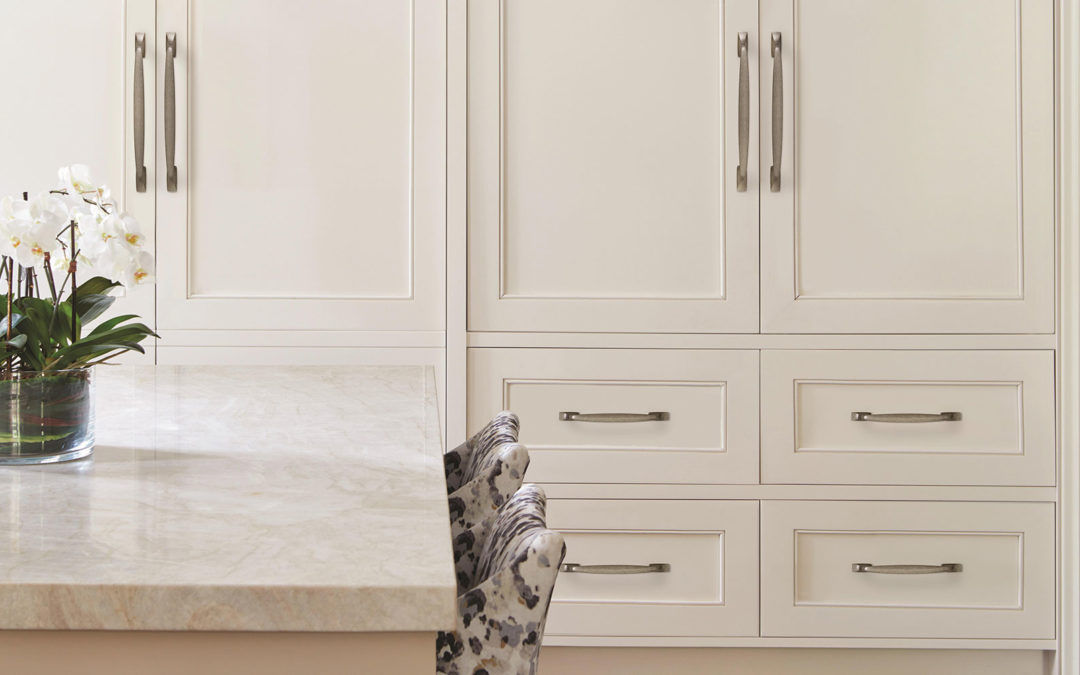
Source: fairviewkitchens.com
Why cabinet hardware matters
Cabinet hardware affects both form and function. It ties the kitchen style together. It also controls how easily you open drawers and doors. Choosing the right hardware improves ergonomics and daily use. The right hardware can raise perceived value and refresh a kitchen without a full remodel.
How you choose hardware influences cleaning, wear, and replacement cycles. Small details like finish and projection change how grease and fingerprints show. When considering how to choose kitchen cabinet hardware, think beyond looks to long-term use and maintenance.

Source: ksrenovationgroup.com
Key factors to consider when choosing hardware
Consider these factors together. They inform each other and lead to a balanced choice.
- Style and aesthetics
Choose hardware that matches the kitchen’s design language. Modern kitchens favor clean lines and bar pulls. Traditional kitchens suit ornate knobs and cup pulls. When learning how to choose kitchen cabinet hardware, aim for cohesion across appliances, faucets, and lighting. - Finish and color
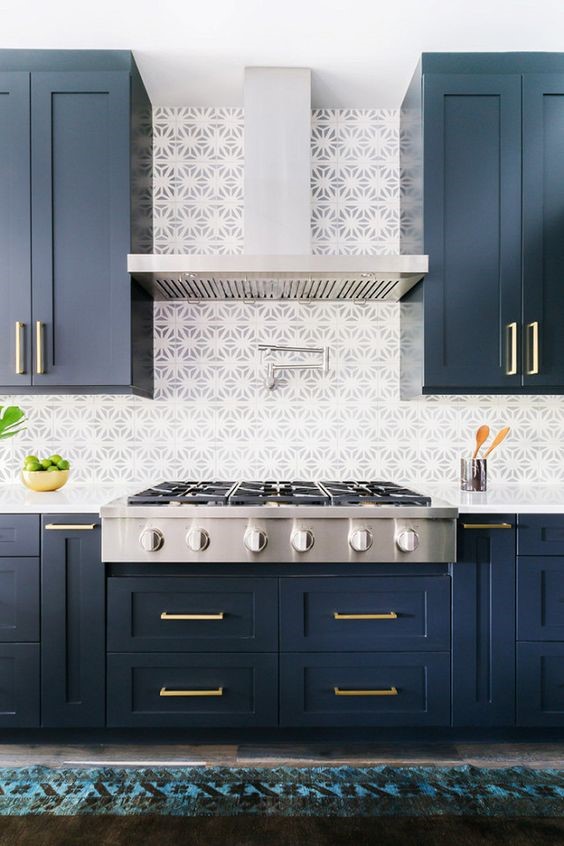
Match or intentionally contrast hardware finish with faucets and fixtures. Polished chrome and stainless work well in modern spaces. Warm brass or oil-rubbed bronze suits classic kitchens. Consider finish durability and whether it will hide fingerprints. - Size and proportion
Scale hardware to door and drawer size. Large drawers take larger pulls. Small cabinet doors work best with knobs. Proper sizing is crucial when deciding how to choose kitchen cabinet hardware. - Material and durability
Solid brass, stainless steel, and zinc alloys are common. Solid metals stand up to heavy use. Plated pieces may wear over time. Consider corrosion resistance if you live in humid or coastal areas. - Function and ergonomics
Think about grip comfort and hand clearance. Long bar pulls offer multiple grip points. Cup pulls protect fingers from sharp corners. Good hardware makes daily tasks easier. - Installation and compatibility
Check mounting hole spacing (center-to-center). Some hardware needs a backplate or a specific screw length. If you are replacing existing hardware, matching hole locations prevents extra work. - Budget and sourcing
Set a realistic budget per piece. High-use items benefit from higher-quality materials. Mixing premium and economy pieces can balance cost and performance.
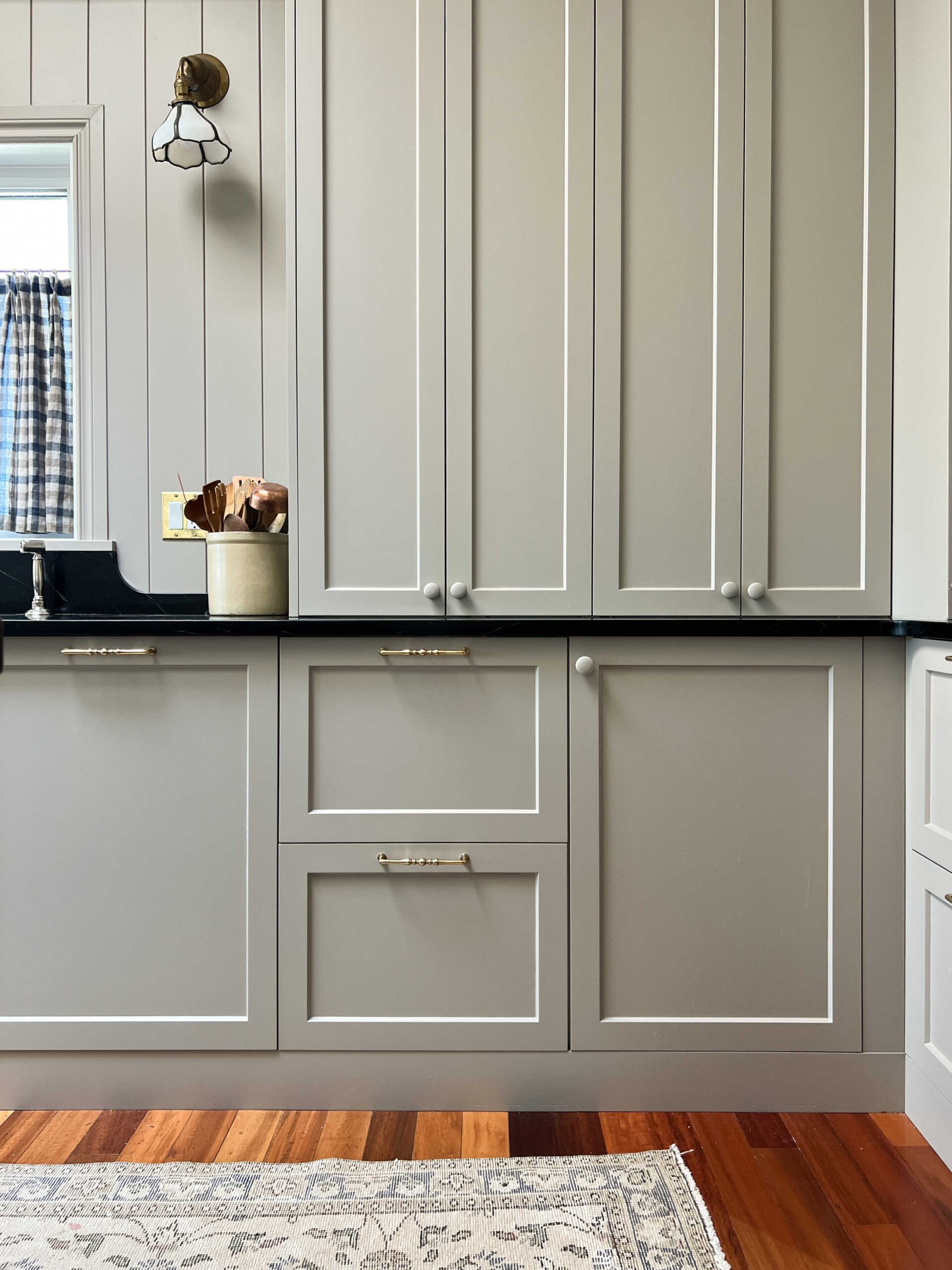
Source: erinzubotdesign.com
Types of cabinet hardware and when to use them
Understanding types helps when you decide how to choose kitchen cabinet hardware for a specific purpose.
- Knobs
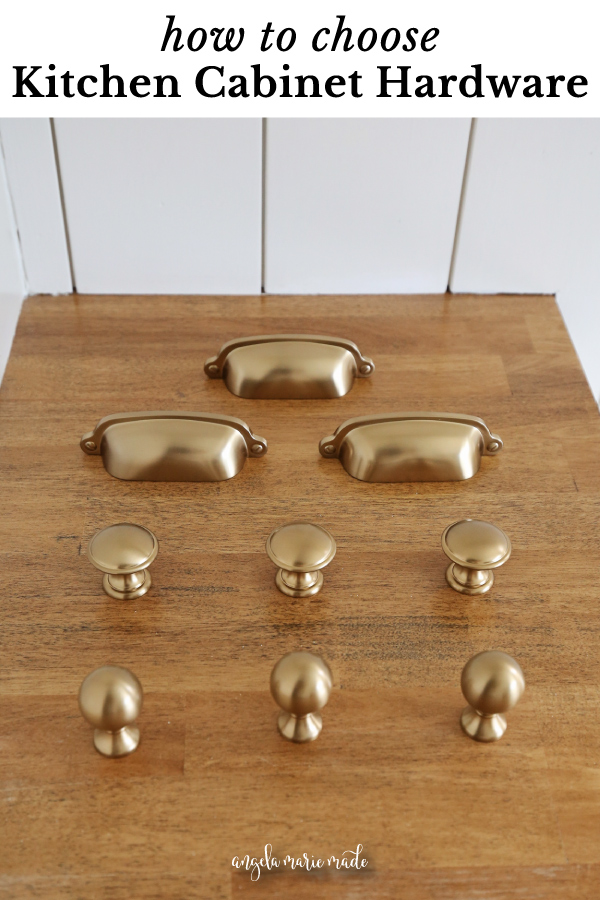
Good for doors and small drawers. They are classic and affordable. Use knobs when you want simple, minimal visual impact. - Bar pulls
Modern and versatile. They work well on large drawers and cabinet doors. Bar pulls give a clean, linear look. - Cup pulls
Traditional and tactile. Ideal for drawers in farmhouse or transitional kitchens. Cup pulls protect fingertips and add vintage charm. - Edge pulls and integrated pulls
Minimal, sleek options for modern or minimalist kitchens. They keep fronts clean and unobstructed. - Backplates
Decorative plates behind knobs or pulls. They add detail and protect finishes from wear. - Hinges and soft-close hardware
Often overlooked, hinges change function and longevity. Soft-close hinges add a premium feel and prevent slamming. - Specialty pulls and latches
For blind corners, appliance panels, or child-safety needs. Choose these when function demands a custom solution.
When deciding how to choose kitchen cabinet hardware, match the hardware style to the room’s vibe and the item’s function.
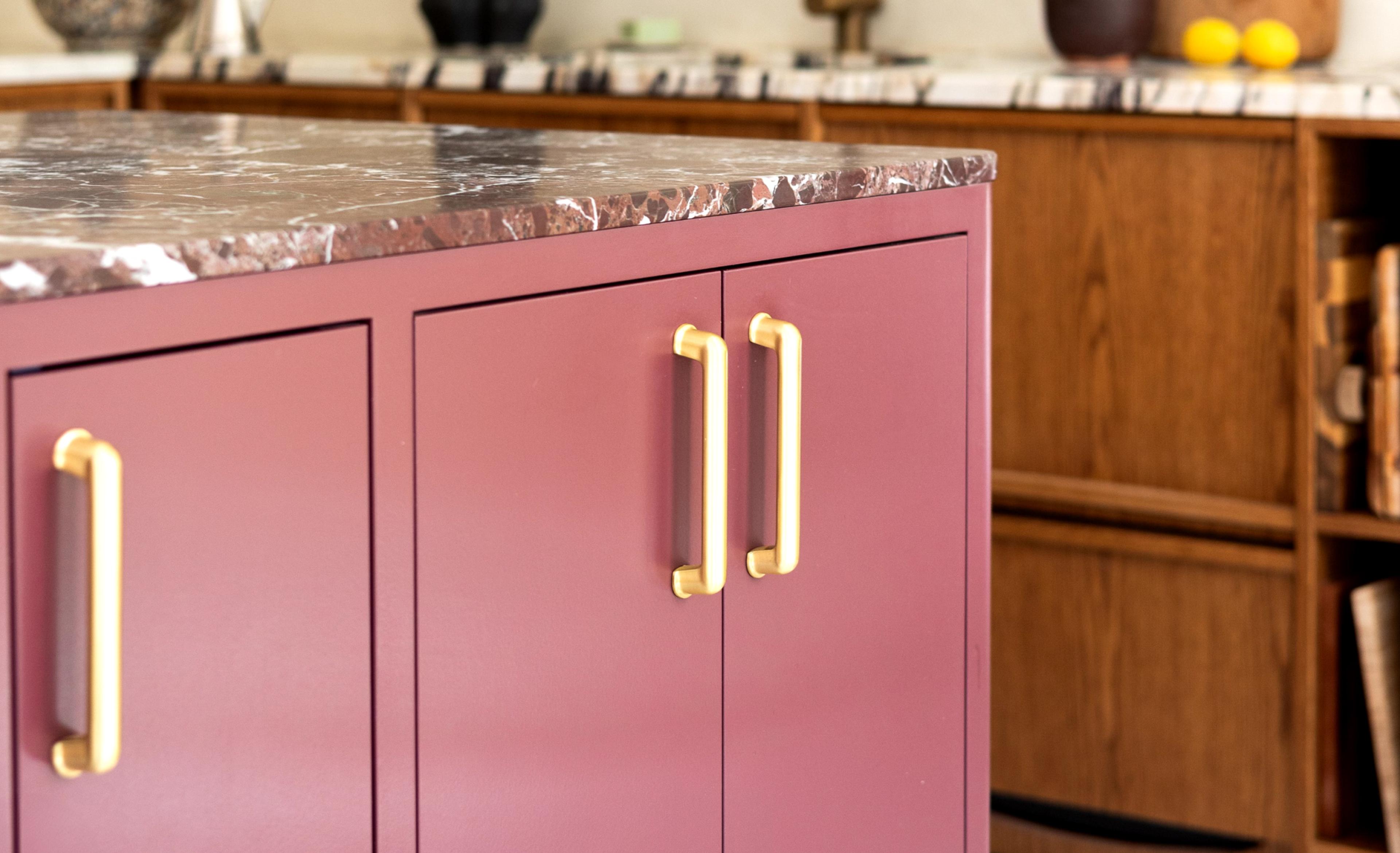
Source: schoolhouse.com
Matching hardware to kitchen styles
Choose hardware that supports the kitchen’s overall style. Here are clear pairings to simplify how to choose kitchen cabinet hardware.
- Modern and contemporary
Use straight bar pulls, thin profiles, and satin finishes. Minimal ornament works best. - Transitional
Combine simple pulls with subtle curves. Neutral finishes like brushed nickel or satin brass fit well. - Farmhouse and cottage
Cup pulls, apron-front details, and oil-rubbed bronze or aged brass suit this look. - Traditional
Ornate knobs, detailed backplates, and warm brass or antique bronze enhance classic cabinetry. - Industrial
Choose heavier, utilitarian pulls in matte black or raw metal finishes. Exposed fasteners are acceptable visually. - Scandinavian/minimal
Opt for recessed or edge pulls and pale, subtle finishes like matte black or brushed steel.
Thinking about style early helps narrow options and speeds the decision for how to choose kitchen cabinet hardware.

Source: schoolhouse.com
Sizing and placement guide
Correct size and placement make hardware work and look intentional.
- Measure center-to-center (C-C)
This is the distance between screw holes. Common sizes are 3″, 3-3/4″, and 6-1/4″. Measure old holes if replacing pieces. - Drawer placement
For single-center drawers, install the pull centered on the drawer face. For wide drawers, use two pulls spaced evenly. - Door placement
For upper cabinets, place knobs or pulls 2 to 3 inches from the bottom corner. For lower cabinets, place them 2 to 3 inches from the top corner. - Height and ergonomics for large drawers
Mount pulls low on drawer fronts for reach comfort. Consider the usual user’s height when installing. - Template use and consistency
Use a drilling template to keep all placements consistent. Small variances are very visible across a kitchen.
Practical example from experience: On a recent remodel I installed 24 pulls with a template. It saved time and ensured perfect alignment. This is a useful tip when you learn how to choose kitchen cabinet hardware that fits your cabinet layout.
Source: angelamariemade.com
Finishes, coatings, and maintenance
Pick a finish that fits style and tolerates kitchen use.
- Common finishes and traits
Brushed nickel resists fingerprints. Polished chrome is bright but shows smudges. Matte black is modern but may show wear on edges. - Corrosion and coastal concerns
If you live near salt air, choose stainless or corrosion-resistant coatings. Plated finishes may wear faster in coastal areas. - Protective coatings and PVD
PVD finishes offer high durability and color stability. They are a good choice when selecting how to choose kitchen cabinet hardware for long life. - Cleaning tips
Wipe with a soft cloth and mild soap. Avoid abrasive pads and harsh chemicals. Test cleaners on a hidden area first. - When to refinish or replace
If plating wears, replace or select a solid metal option instead. Small scratches may be buffed depending on the finish.
Clear expectations on maintenance help you choose finishes that suit your lifestyle and cleaning habits.

Source: schoolhouse.com
Installation basics and recommended tools
A careful install ensures durability and a refined look.
- Tools you will need
Drill, drill bits, screwdrivers, tape measure, center punch, hardware template, level, and screws. A pilot hole reduces splitting. - Installation steps
- Measure and mark placement using a template.
- Use a center punch to steady the drill bit.
- Drill pilot holes at low speed.
- Attach hardware, using the correct screw length.
- Check alignment across all doors and drawers.
- Reusing old holes
If you must reuse old holes, choose hardware with the same center-to-center spacing. Fill and sand if you want a clean, new layout. - Hire a pro when needed
Complex layouts, inset doors, or mismatched hole patterns may benefit from a professional installer.
My tip: always test one piece before drilling the whole kitchen. This avoids costly mistakes and is a key step when figuring out how to choose kitchen cabinet hardware.
Source: americancraftsmenllc.com
Budgeting and sourcing tips
Plan costs and where to buy to avoid surprises.
- Typical price range
Knobs: low to moderate cost per piece. Pulls: moderate to higher cost. High-end custom hardware can be much more costly. - Mix-and-match strategy
Use premium hardware on high-touch items and budget pieces on less-used cabinets. This balances aesthetics and cost. - Buy samples and test them
Order a few samples to test finish and feel. Install a sample for a week to observe wear and ergonomics. - Where to source
Local showrooms, specialty hardware suppliers, online retailers, and custom metalworkers. Local showrooms let you handle the hardware first. - Lead times and returns
Check lead times for custom finishes. Verify return policies if a finish does not match other fixtures.
Budget clarity helps when you decide how to choose kitchen cabinet hardware that meets both needs and wallet.
Common mistakes to avoid
Avoid these frequent errors to get a result you’ll enjoy.
- Choosing purely on looks
Ignore ergonomics and durability at your peril. - Mismatched scale
Small knobs on large drawers look off; large pulls on small doors are awkward. - Ignoring finish compatibility
Mixing too many finishes can look disjointed. - Skipping samples and templates
Installing without testing often leads to misaligned hardware. - Forgetting door swing and clearance
Hardware that catches on neighboring cabinets or appliances causes daily frustration.
Avoiding these mistakes makes the process of how to choose kitchen cabinet hardware smoother and more successful.
Frequently Asked Questions of how to choose kitchen cabinet hardware
What is the best finish for kitchen cabinet hardware?
Pick a finish that matches or complements faucets and fixtures. Brushed nickel and satin brass are versatile; matte black is popular for contrast.
How do I measure for replacement hardware?
Measure center-to-center hole spacing on existing pieces. Use a ruler or tape and record the distance before ordering new hardware.
Can I mix different hardware finishes in one kitchen?
Yes, but limit combinations to two cohesive finishes and use one as the dominant option to maintain visual unity.
How do I choose the right size pull for drawers?
Match pull length to drawer width; longer drawers benefit from pulls half to two-thirds the drawer width for balance and usability.
Are expensive hardware pieces worth it?
High-quality hardware often lasts longer and performs better in high-use areas. Balance budget by choosing premium pieces for frequently used drawers and doors.
Conclusion
Choosing the right hardware changes how your kitchen looks and feels every day. Focus on style, finish, scale, material, and ergonomics. Test samples, use a template for installation, and avoid common mistakes. With clear priorities and simple measurements you can confidently decide how to choose kitchen cabinet hardware that lasts and enhances your space. Try one small change first—swap knobs or pulls on a few cabinets—and see the difference. Share your experience or questions below, or subscribe for more practical kitchen design tips.