
Clean with mild soap, dry promptly, and oil regularly to protect wooden kitchen utensils. Simple guide on How To Take Care Of Wooden Kitchen Utensils. Keep wood tools smooth, safe, and ready for cooking. I have worked with kitchens and wooden tools for years, and I understand how to take care of wooden kitchen utensils so they last longer, stay hygienic, and look great. This guide explains practical cleaning routines, deep-cleaning methods, conditioning tips, what to avoid, and how to match care to different wood types. Read on for clear, field-tested advice and an easy maintenance schedule you can follow at home.
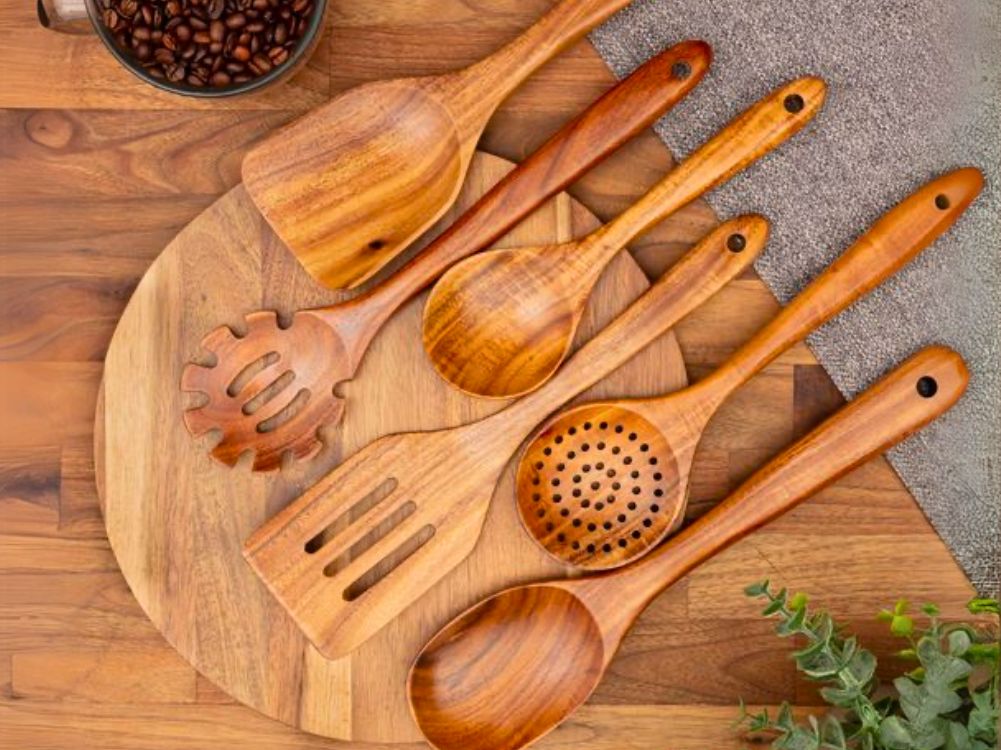
Source: zulaykitchen.com
Why proper care matters for wooden kitchen utensils
Well-cared-for wooden kitchen utensils resist cracking, warping, and bacteria buildup. Wood absorbs and releases moisture. That makes it vulnerable to damage if it is left wet or neglected. Knowing how to take care of wooden kitchen utensils prevents odours, staining, and early replacement.
Wood has natural antibacterial properties, but neglect reduces that benefit. Regular cleaning and oiling keep utensils food-safe and attractive. I have seen inexpensive spoons last years when maintained, and premium boards degrade quickly when treated carelessly.
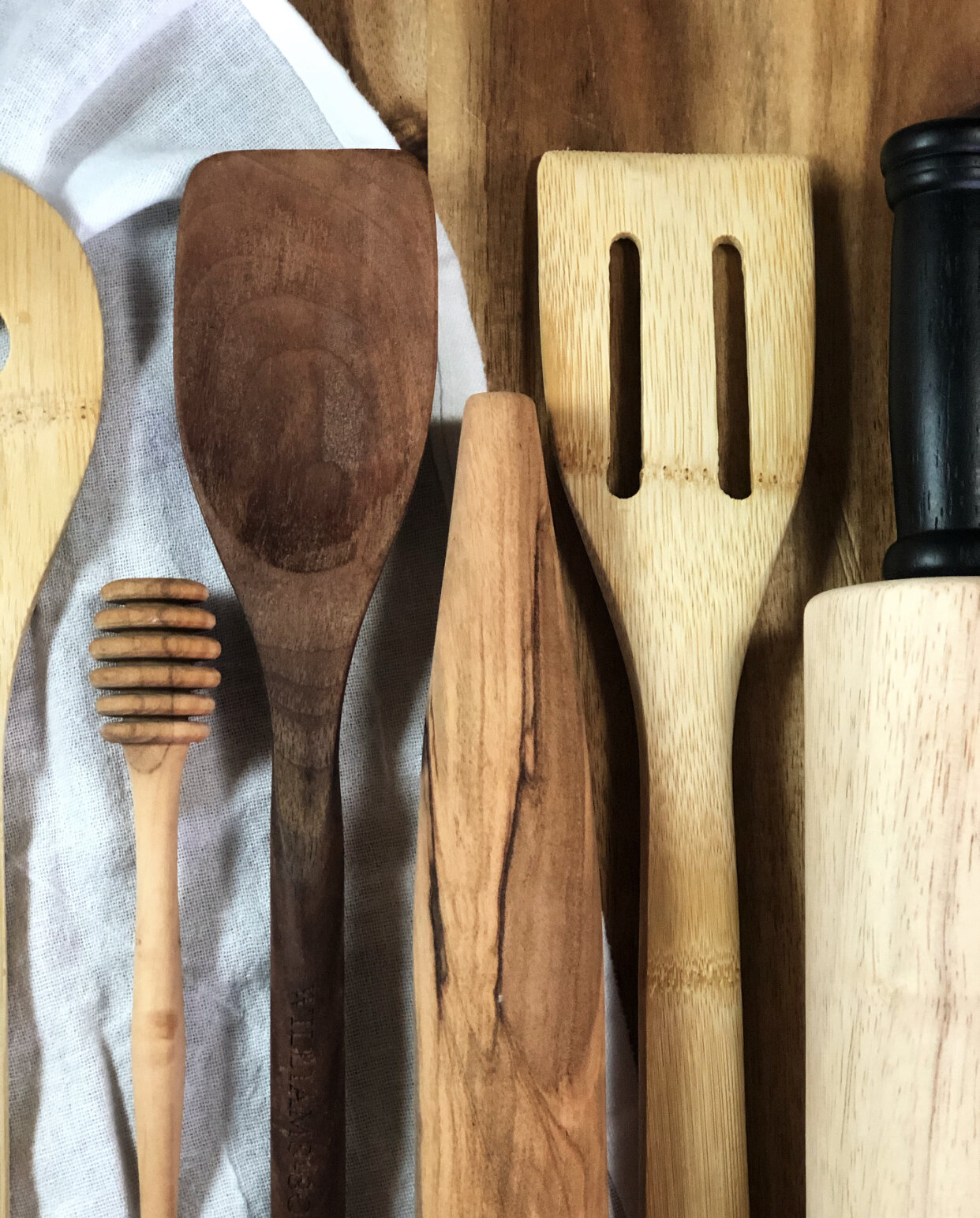
Source: earlywooddesigns.com
Daily cleaning and quick rinse routine
Rinse utensils right after use to avoid food drying on the grain. Use warm water and a small amount of mild dish soap. Wash with a soft cloth or sponge; avoid abrasive pads that damage the surface.
Keep washes short and gentle to limit water absorption. Rinse thoroughly and pat dry with a towel before air-drying. Learning how to take care of wooden kitchen utensils starts with this simple, consistent habit.
:strip_icc()/Howyoushouldreallybecleaningyourwoodenspoons_sketch_final-3c39827b0c094415bcb9c6d445821c74.png)
Source: bhg.com
Deep cleaning and stain removal
For occasional deep cleaning, make a paste of baking soda and water to lift stains. Rub the paste gently with a soft brush, rinse, and dry. For stubborn odours, scrub with coarse salt and a lemon half to deodorize and brighten.
Avoid soaking wooden utensils in strong detergents or bleach. These chemicals strip oils and weaken the wood. When you know how to take care of wooden kitchen utensils, you use gentle, non-toxic methods to refresh them.

Drying and proper storage
Dry utensils immediately after washing to prevent swelling and cracking. Stand spoons and spatulas upright in a well-ventilated holder or lay them flat with space between items. Never store wooden utensils in a sealed drawer while they are damp.
Keep them away from direct heat sources and sunlight, which can cause warping and fading. Proper drying and storage are core elements of how to take care of wooden kitchen utensils.
Conditioning, oiling, and waxing
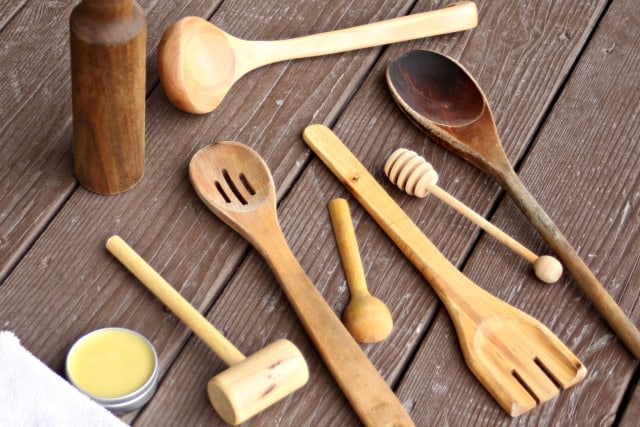
Condition wood regularly with food-safe mineral oil, beeswax-based cream, or a blend made for kitchenware. Apply a thin coat, let it soak for 15–30 minutes, then wipe off excess with a clean cloth. Repeat monthly for frequently used tools.
Oiling restores moisture and builds a protective barrier against stains and liquid penetration. I once revived an old spoon by applying oil twice in one week, then monthly thereafter. This step is essential when learning how to take care of wooden kitchen utensils.

What to avoid: common mistakes and solutions
Avoid dishwashers, long soaks, and harsh detergents that break down wood fibers. Do not leave utensils standing in hot water or drying in enclosed, humid spaces. Avoid using metal scrubbers that scratch the surface and hold dirt.
If a handle splits or a deep crack forms, sand the area smooth and treat with oil; discard if structural integrity is lost. Recognizing these pitfalls helps you master how to take care of wooden kitchen utensils without costly errors.
Maintenance schedule and practical tips
Create a simple routine:
- After every use: rinse, wash with mild soap, dry immediately.
- Weekly: quick salt-and-lemon freshen for items used with strong odours.
- Monthly: oil and inspect for cracks or rough spots.
Keep a small bottle of mineral oil in the kitchen to make conditioning easy. Label a refill date to keep track. These steps make how to take care of wooden kitchen utensils part of your regular kitchen rhythm.

Source: zulaykitchen.com
Choosing utensils and caring by wood type
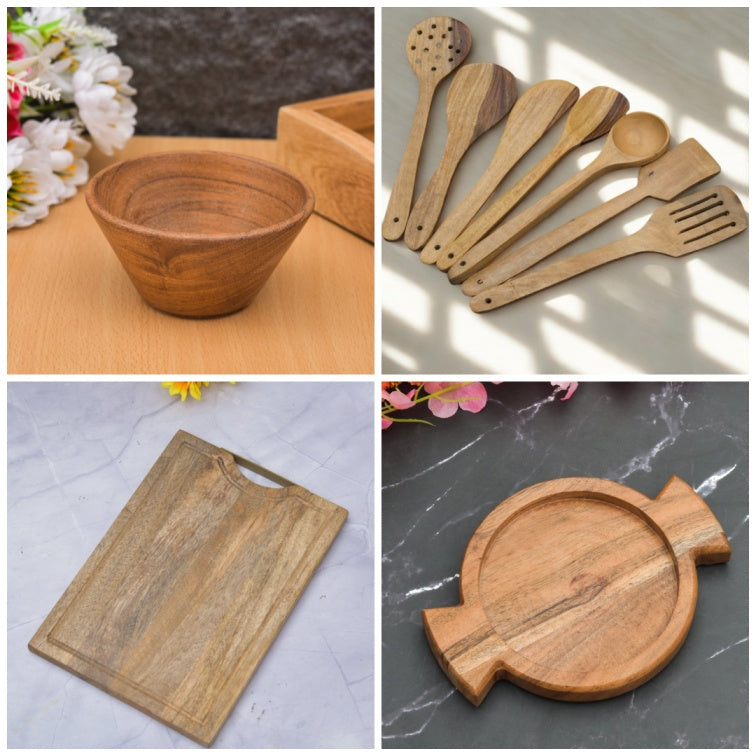
Different woods need slightly different care. Hardwoods like maple, beech, and walnut are durable and respond well to oiling. Softer woods need gentler use and more frequent conditioning. Bamboo is very hard but is technically a grass; treat bamboo like hardwood but limit soaking.
When you buy utensils, choose tight-grain woods for longevity. Knowing the wood type helps you tailor how to take care of wooden kitchen utensils for the best results.
Source: oggnhome.com
Food safety and health considerations
Wood naturally resists bacteria better than some materials when well maintained. Still, always clean utensils after contact with raw meat. If deep grooves or cracks trap food, sand them smooth or replace the utensil. Avoid using wood with finishes that are not food-safe.
If you follow the guidelines here on how to take care of wooden kitchen utensils, you minimize risk and keep tools hygienic for daily cooking.
Frequently Asked Questions of how to take care of wooden kitchen utensils
How often should I oil wooden kitchen utensils?
Oil wooden utensils once a month with food-grade mineral oil or a beeswax blend; do it more often if they look dry or lighter in color.
Can I put wooden utensils in the dishwasher?
No. Dishwashers expose wood to heat and long water contact, which causes cracking, warping, and splitting.
How do I remove strong smells from wooden spoons?
Use coarse salt and a lemon to scrub the surface, rinse, and dry. Repeat if needed and oil afterward to restore moisture.
What should I do if a wooden utensil develops a crack?
Sand the area smooth and oil it; if the crack is deep or compromises strength, replace the utensil for safety.
Are all oils safe for wooden kitchen utensils?
No. Use food-safe mineral oil, fractionated coconut oil, or dedicated cutting board oils. Avoid vegetable oils that can go rancid and sticky.
Can I sterilize wooden utensils?
Avoid boiling or harsh sterilizers. Clean well with hot, soapy water and use occasional salt-and-lemon treatment. Replace items with deep grooves where bacteria can hide.
Conclusion
Consistent, simple care keeps wooden kitchen utensils functional, safe, and beautiful. Rinse and dry promptly, deep-clean with gentle, natural agents, and oil regularly to protect the grain. Avoid dishwashers, long soaks, and harsh chemicals, and tailor care to the wood type you own.
Start today: set a monthly oiling habit and follow the short cleaning steps after each use. Your utensils will last longer and perform better. Share your experience, subscribe for more care guides, or leave a comment with questions about how to take care of wooden kitchen utensils.